 If you drive for work or just rack up a lot of miles, you probably want your car to last longer, feel better, and cost less to run. The fastest way to get there is simple: reduce wear and tear on your vehicle with a few easy habits. No fancy tools, no complicated routines. Just smart driving, tiny tweaks to maintenance, and a bit of planning.
Quick Navigation
Drive smoother to save parts and cash
Sudden inputs stress everything. If you want to reduce wear and tear on your vehicle, think smooth from the moment you start the engine.
-
Gentle acceleration: Floor it from every light and you burn extra fuel while hammering your engine and transmission. Roll on the throttle and let your gearbox shift calmly. That alone helps reduce wear and tear on your vehicle in city traffic.
-
Easy braking: Hard stops heat up brakes and wear pads fast. Look far ahead, ease off the accelerator early, and coast more. You keep momentum, stay safer, and reduce wear and tear on your vehicle at the same time.
-
Keep a steady speed: Constant speed changes chew through fuel and components. Use cruise control on open roads when it’s safe. Fewer shifts and fewer rev spikes help reduce wear and tear on your vehicle on long trips.
-
Mind the road surface: Potholes and speed bumps knock your suspension out of alignment. Slow way down, take bumps square on, and give yourself space to dodge road craters. Your shocks, bushings, and even wheels will thank you.
Maintenance moves that pay you back
You can’t drive perfectly all the time. That’s why quick maintenance habits are your safety net to reduce wear and tear on your vehicle.
-
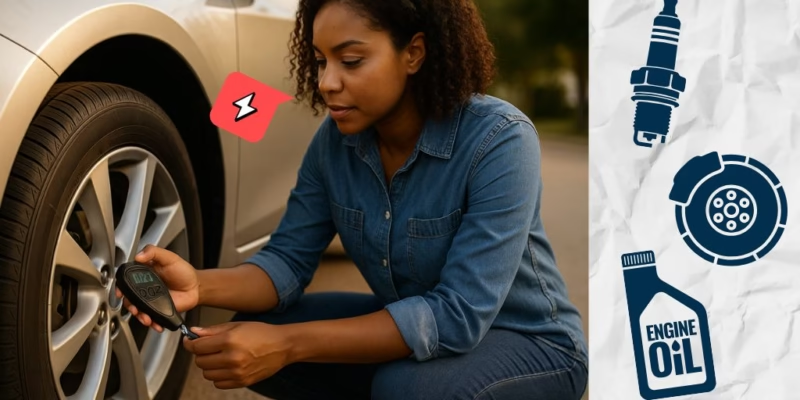
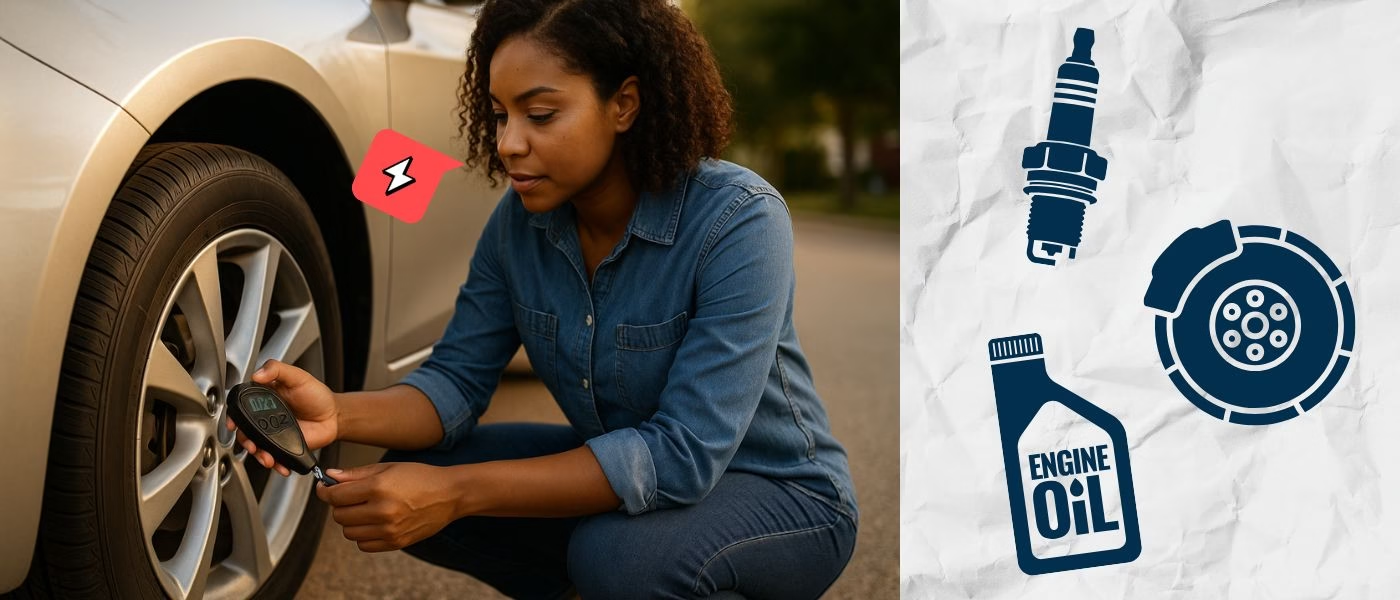
Tire pressure: Check it monthly and before long drives. Underinflation makes tires run hot and wear unevenly. Proper pressure improves grip, braking, and range while helping reduce wear and tear on your vehicle from the ground up.
-
Alignment and rotation: If the steering wheel pulls or your tires feather on the edges, get an alignment. Rotate tires every 8–10k km. Balanced contact patches reduce wear and tear on your vehicle and keep handling crisp.
-
Oil and fluids: Fresh oil, clean coolant, good brake fluid, and proper transmission fluid are like the body’s hydration. Stick to the schedule in your manual. Healthy lubrication and temperature control reduce wear and tear on your vehicle dramatically.
-
Filters and spark plugs: Air and cabin filters are cheap and quick to swap. Spark plugs keep combustion tidy. Staying on top of these keeps the engine breathing and firing clean, which helps reduce wear and tear on your vehicle mile after mile.
-
Clean the car: Dirt traps moisture and salt. A quick wash, especially underneath, stops corrosion. Clean seals and hinges work better and last longer.
Load and route smarts
Carrying more than you need makes your car work harder. Smarter packing and planning are easy wins to reduce wear and tear on your vehicle.
-
Travel light: Only haul what you need today. Extra weight strains brakes, suspension, and engine, so trimming the load directly reduces wear and tear on your vehicle.
-
Racks and boxes: Roof racks look handy but they add drag and wind noise. Pop them off when not in use. Less drag means less fuel burn and fewer high RPMs, which helps reduce wear and tear on your vehicle.
-
Route choice: Shorter in distance is not always easier on the car. A route with fewer stop signs, gentler hills, and smoother surfaces can reduce wear and tear on your vehicle even if it adds two minutes.
Fuel and driving modes
Fuel quality and drive modes also nudge component life. Tiny choices stack up to reduce wear and tear on your vehicle.
-
Right octane and reputable fuel: Use the octane your manual calls for. Cutting corners can cause knock in some engines and stress internals.
-
Eco mode when it makes sense: Many cars have an Eco setting that softens throttle response and shifts earlier. That calmer behavior helps reduce wear and tear on your vehicle in everyday driving.
-
Warm up by driving, not idling: Modern engines prefer a gentle drive after 30–60 seconds rather than long idles. Light load warmups reduce wear and tear on your vehicle by bringing fluids to temperature smoothly.
Seasonal tweaks
Weather changes how parts behave. A couple of seasonal habits go a long way to reduce wear and tear on your vehicle.
-
Winter: Check battery health, top up washer fluid rated for low temps, and swap to winter tires if you see consistent cold. Cold rubber gets stiff, so proper tires and pressures reduce wear and tear on your vehicle on icy days.
-
Summer: Heat kills batteries and cooks fluids. Park in shade, use sunshades, and keep coolant in spec. Keeping temps in check will reduce wear and tear on your vehicle during heat waves.
A 60-second daily checklist
You can run through this quick list before you hit the road. It’s the fastest routine to reduce wear and tear on your vehicle without thinking too hard.
- Walk around: look for low tires, fresh dings, or leaks.
- Start the car and wait a moment for the idle to settle.
- Check for warning lights.
- Set your route and playlist before shifting into gear.
- Drive off gently and coast toward the first stop.
Driving style tips for city, highway, and hills
-
City: Keep bigger gaps, time lights, and avoid lane weaving. Smooth flow helps reduce wear and tear on your vehicle in stop and go conditions.
-
Highway: Merge with a clean pull, then settle into a steady pace. Leave space to avoid constant braking. This calmer approach will reduce wear and tear on your vehicle over long stretches.
-
Hills: Downshift early, don’t lug the engine, and use engine braking on descents. Controlled revs and cooler brakes reduce wear and tear on your vehicle when the terrain ramps up.
When to get something checked
If you feel new vibrations, hear squeaks or clunks, smell something burnt, or notice a change in steering feel, do a quick inspection. Catching issues early is one of the cheapest ways to reduce wear and tear on your vehicle. Little problems become big bills only if they’re ignored.
Conclusions
You don’t need to be a mechanic to keep your car in great shape. Drive smooth, stay light, keep up with basic maintenance, and listen for changes. These small habits stack up fast to reduce wear and tear on your vehicle and keep you on the road with fewer surprises. If you manage a team of drivers, share this checklist with them too. The whole fleet benefits when every trip aims to reduce wear and tear on your vehicle.