

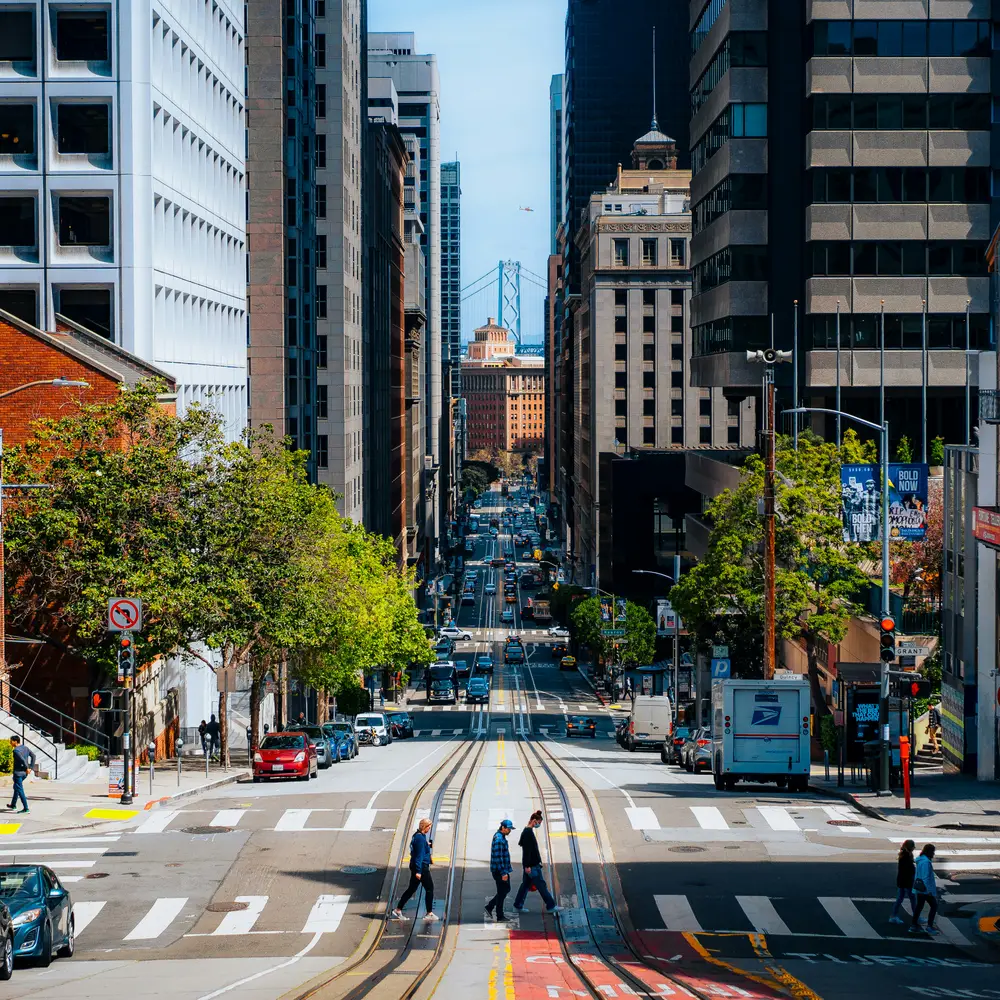
Downtown and SoMa
Financial District, SoMa, Yerba Buena, Rincon Hill, Mission Bay

Whether you ride a bike, a scooter, or drive a car or van, sign up to see what's available across San Francisco, the Peninsula and the surrounding areas. Flexible hours, one signup, all in one place.
TRUSTED BY THE WORLD'S LEADING LOGISTICS COMPANIES










San Francisco is one of the densest delivery markets in the country. Food, grocery and parcel work all run here, and whatever you ride or drive, from an e-bike in SoMa to a car down the Peninsula, there is a company that will match.
Deliver restaurant orders for DoorDash, Uber Eats and Grubhub. Choose your own hours and work as much or as little as you want.
Same-day and next-day parcels. High demand, consistent work and competitive pay.
Shop and deliver grocery and retail orders for Instacart, Shipt and Spark Driver, paid per batch plus tips.
Block-based shifts delivering e-commerce parcels. Book scheduled blocks and see what the block pays before you accept it.
"I had been driving for years but never knew how to get onto the bigger platforms. Service Club matched me with three companies that suit my schedule."
"The paperwork alone used to put me off. Service Club handled everything, background checks, insurance docs. Now I earn more and stress less."
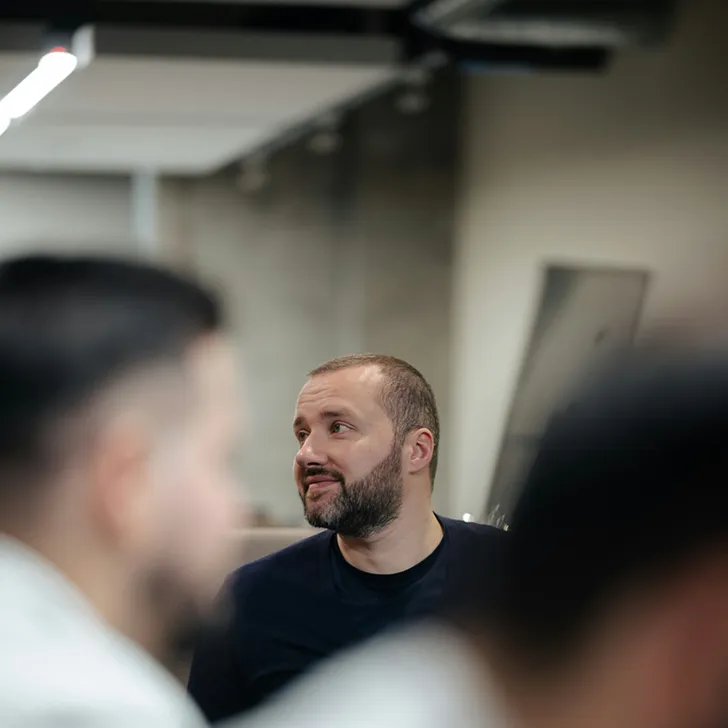
"I was juggling three different delivery apps before Service Club. They set me up with a single contract and I was driving for two companies within 48 hours."
As an independent contractor you are paid per job, at the rates each company publishes, plus tips. Here is how each kind of delivery work pays in San Francisco.
Figures are revenue before gas, vehicle costs, insurance and self-employment tax, not wages. Company-published ranges are national unless a row says otherwise, and any local pay rule is explained on this page. Actual earnings depend on hours worked, area covered and how many companies you sign up with through Service Club.
Service Club ® connects San Francisco couriers and drivers to top delivery companies faster, with less paperwork and more support.
Apply once and get matched to multiple San Francisco companies. No repeating the same forms across different apps.
Pick your hours, your vehicle and your area. Go full-time, top up on weekends, or grab a few peak shifts. You decide when and how much you work.
Discounts on gas, food, gear, phone plans and entertainment. Built specifically for delivery work.
Service Club is free for you. We earn from the companies we connect you to, never from your earnings.
No exclusivity. Run DoorDash and Uber Eats in parallel, or pick up scheduled parcel blocks on quiet days. Your call.
Real humans you can reach when something goes wrong on a delivery, not just an app chatbot.
San Francisco is only about seven miles by seven, so delivery demand works nothing like it does in a sprawling city. Downtown, SoMa, the Mission and North Beach hold enough restaurants inside a two mile radius that a courier on an e-bike can clear more drops per hour than a driver in a car, with spikes on event nights at Chase Center and Oracle Park. Most of these companies were founded here, so new pay models and pilots usually appear here first.
The catch is the terrain and the parking. Anything west of Van Ness or south of 24th Street means real hills, and a gas car in the flat core loses money to circling and citations. Most experienced San Francisco couriers run an e-bike or a scooter on the flats and switch to a car only for grocery batches and scheduled parcel blocks. For the wider Bay Area, Daly City, South San Francisco and down the Peninsula, a car stops being optional.
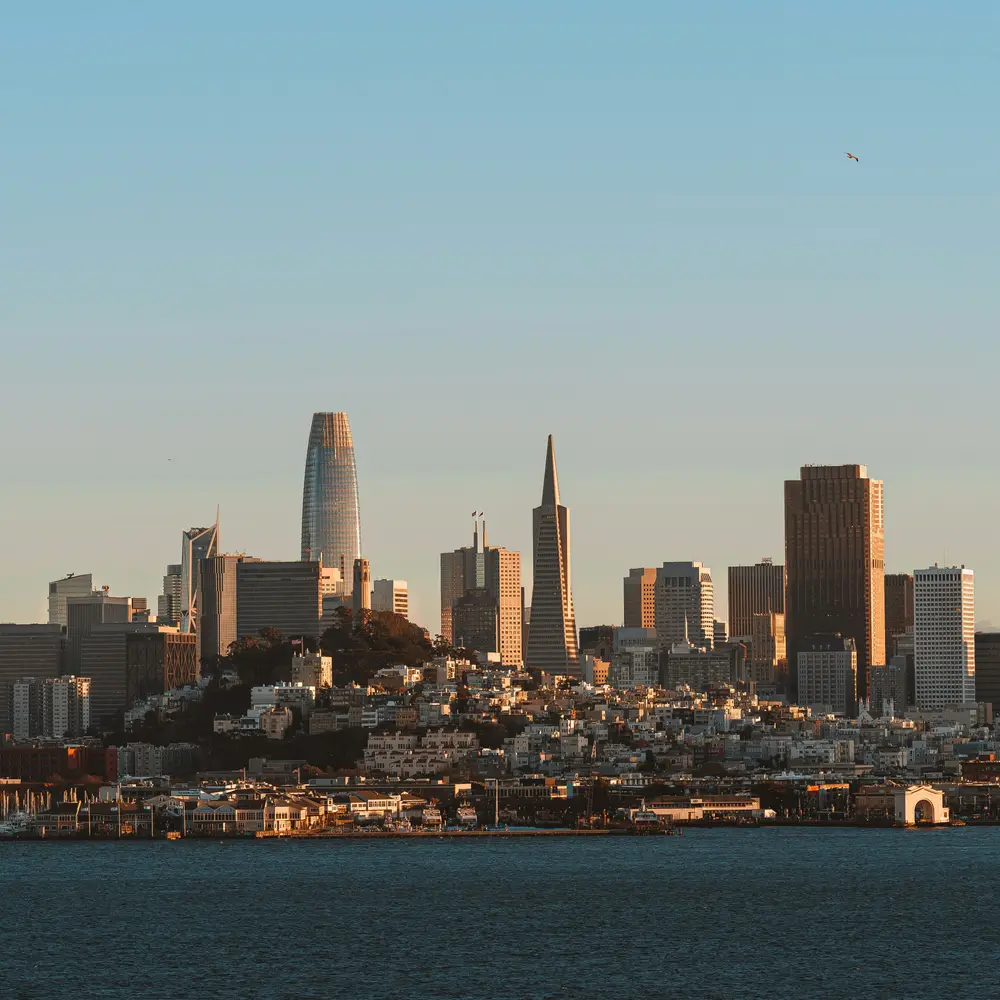
California protects delivery work best of any state. Under Proposition 22, app-based delivery companies have to guarantee at least 120% of the applicable minimum wage for your engaged time, from accepting an offer to completing the drop, plus 37 cents per engaged mile in 2026. San Francisco sets its own minimum wage, $19.61 an hour from July 1, 2026, above the $16.90 California rate, so the floor here is higher than almost anywhere else in the country. Waiting time between offers is not covered, which is why stacking companies matters so much.
There is also a local requirement most couriers miss. Delivery work in the city on seven or more days in a tax year needs a Business Registration Certificate from the Office of the Treasurer and Tax Collector, renewed by the last day of February. We flag it during signup, along with the delivery-use exclusion in most personal auto policies. Los Angeles has the same Prop 22 protection at its own rates, while couriers in Atlanta and Newark have no such floor.
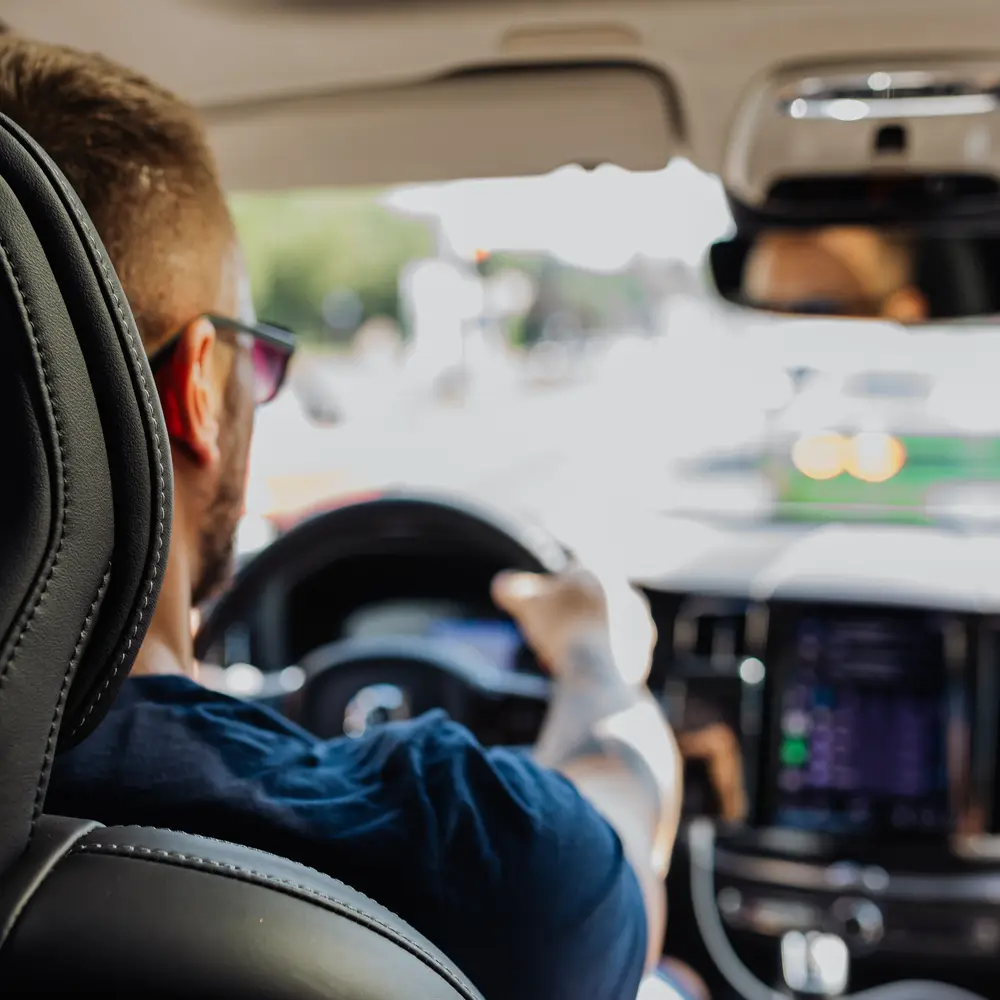
From signup to your first earnings, the whole flow takes between 24 hours and a few days, depending on the vehicle and checks involved.
Just your phone and email. Then a few quick details: name, ZIP code, vehicle and eligibility. No fees, no contract.
We line you up with the San Francisco companies that fit your vehicle, your area and the hours you want. You see only the ones that want you.
Complete the checks each company runs: work authorization, driver's license, a background check and your bank details. How long that takes depends on the company and the city.
San Francisco has specific rules for couriers and drivers that you should know before you start. Here is what matters.
At least 120% of the applicable minimum wage, plus 37 cents per engaged mile in 2026.
$19.61 an hour from July 1, 2026, against $16.90 statewide.
From seven days of work a year in the city; renew each February.
Parking enforcement is aggressive, and circling eats your hourly rate.
Check whether you need a delivery endorsement or a commercial policy.
To get paid you also need an SSN and a US bank account.
We only connect you to companies that actually fit your vehicle, your area and your eligibility. No wasted applications. No companies you can't take work for.
Sign up to get matchedDemand looks different across San Francisco. Here is where the work concentrates and when it peaks.
Financial District, SoMa, Yerba Buena, Rincon Hill, Mission Bay
Mission District, Valencia Street, Castro, Noe Valley, Bernal Heights
North Beach, Chinatown, Russian Hill, Marina, Cow Hollow, Pacific Heights
Sunset, Richmond, Ingleside, Daly City, South San Francisco
We match couriers and drivers across all of San Francisco, from the flats downtown and in the Mission where an e-bike wins to the Sunset, the Richmond and south into Daly City and South San Francisco where a car does. Food demand concentrates downtown, in the Mission and around North Beach. Grocery and parcel work spreads much more evenly, including out to the west side. Tell us your ZIP code and we will line you up with the companies hiring near you.
Not for food delivery. San Francisco is compact enough that an e-bike or scooter on the flats often out-earns a car, because you skip the parking problem entirely. You do need a car for grocery batches, for scheduled parcel blocks and for anything down the Peninsula.
It guarantees at least 120% of the applicable minimum wage for your engaged time, meaning from the moment you accept an offer to the moment you complete it, plus a per-engaged-mile payment set at 37 cents for 2026. San Francisco has its own minimum wage of $19.61 an hour from July 1, 2026, higher than the $16.90 California rate. The important limit is that waiting time between offers is not covered, so the floor protects a busy hour far better than a quiet one.
If you deliver as an independent contractor in the city on seven or more days in a tax year, yes. San Francisco requires a Business Registration Certificate from the Office of the Treasurer and Tax Collector, registered within 30 days of starting and renewed every year by the last day of February. It is inexpensive but carries penalties for skipping it, and most couriers find out about it late.
It depends on the vehicle and the company. On food delivery, DoorDash publishes base pay of $2 to $10 or more per offer plus 100% of tips. Instacart publishes full-service batch minimums of $7 to $10. Amazon Flex publishes up to $18 to $25 an hour on scheduled blocks, including tips. All of those are revenue before gas, vehicle costs, insurance and self-employment tax, not wages, and Prop 22 only puts a floor under your engaged time.
They matter more than new couriers expect. The flats run from the Embarcadero and the Financial District through SoMa, Mission Bay and the Mission, and that is where most of the food volume sits. Nob Hill, Russian Hill and Telegraph Hill start right next to downtown, and Pacific Heights, Twin Peaks, Noe Valley and Bernal are just as steep, enough that an unassisted bike is hard work. That is why e-bikes dominate here and why plenty of couriers stick to the flats on purpose. On four wheels the grades stop mattering and parking starts.
Yes, and in San Francisco most experienced couriers do. There is no exclusivity. Running food delivery alongside grocery batches, then picking up scheduled parcel blocks on quiet weekdays, is how people cover the gaps Prop 22 does not pay for. Service Club is one signup across all of them, so the paperwork happens once.
Proof that you are authorized to work in the United States, a Social Security number so you can be paid, and a US bank account. For motorized vehicles you also need a valid California driver's license, current registration and insurance that covers delivery use. For bike and e-bike work, none of the vehicle documents apply.
No. Service Club is free for couriers and drivers. We earn from the companies we connect you to, never from your earnings.