


The Loop and River North
The Loop, River North, Streeterville, Gold Coast, West Loop

Drive passengers or deliver food, groceries and parcels, across Chicago and the surrounding areas. One signup, and you set your own hours.
TRUSTED BY THE WORLD'S LEADING LOGISTICS COMPANIES










Chicago is one of the busiest driving markets in the country, for passengers and for deliveries. Whatever you drive, there is a role that fits.
Drive passengers for Uber or Lyft as an independent contractor. You pick the hours, the area and how much you work.
Deliver restaurant orders for DoorDash, Uber Eats and Grubhub. Short jobs and quick turnaround, with tips on top.
Shop and deliver grocery and retail orders for Instacart, Shipt and Spark Driver, paid per batch plus tips.
Block-based shifts delivering parcels. Book scheduled blocks and see what the block pays before you accept it.

"I had been driving for years but never knew how to get onto the bigger platforms. Service Club matched me with three companies that suit my schedule."

"The paperwork alone used to put me off. Service Club handled everything, background checks, insurance docs. Now I earn more and stress less."

"I was juggling three different delivery apps before Service Club. They set me up with a single contract and I was driving for two companies within 48 hours."
As an independent contractor you are paid per job, at the rates each company publishes, plus tips. Here is how each kind of work pays in Chicago.
Figures are revenue before gas, vehicle costs, insurance and self-employment tax, not wages. Company-published ranges are national unless a row says otherwise, and any local pay rule is explained on this page. Actual earnings depend on hours worked, area covered and how many companies you sign up with through Service Club.
Service Club ® connects Chicago drivers to top companies faster, for passenger work and for delivery, with less paperwork and more support.
Apply once and get matched to multiple Chicago companies, for passenger driving and for delivery. No repeating the same forms across different apps.
Drive as an independent contractor: you decide when to log on, where to work and how much to take on.
Discounts on gas, food, gear, phone plans and entertainment. Built specifically for people who drive for a living.
Service Club is free for you. We earn from the companies we connect you to, never from your earnings.
No exclusivity on contractor work. Run rideshare and delivery in parallel, or pick up scheduled parcel blocks on quiet days. Your call.
Real humans you can reach when something goes wrong on the road, not just an app chatbot.
Chicago is the third-largest city in the country and one of the busiest driving markets in it: in November 2024 alone, 58,498 drivers made more than 7.5 million passenger trips here. What it does not have is any earnings floor for that work. The Rideshare Living Wage and Safety Ordinance, which would have set a minimum per minute and per mile the way New York and Seattle do, was tabled in June 2025 and has not passed. So Chicago sits with Atlanta rather than with New York: what you earn is whatever the companies pay, plus tips.
The city minimum wage went to $17.05 an hour on July 1, 2026, ahead of the $15 Illinois rate and the $15.40 in suburban Cook County, but read the fine print before you count on it. A minimum wage applies to employees, and app driving is contractor work, so it sets the floor for an employed driving job in the city and does nothing for a 1099 shift. The one published study of what drivers here actually clear, from the UC Berkeley Labor Center, put the typical passenger driver at $10.85 an hour net back in January 2022, and it was written to argue for the ordinance that never passed.
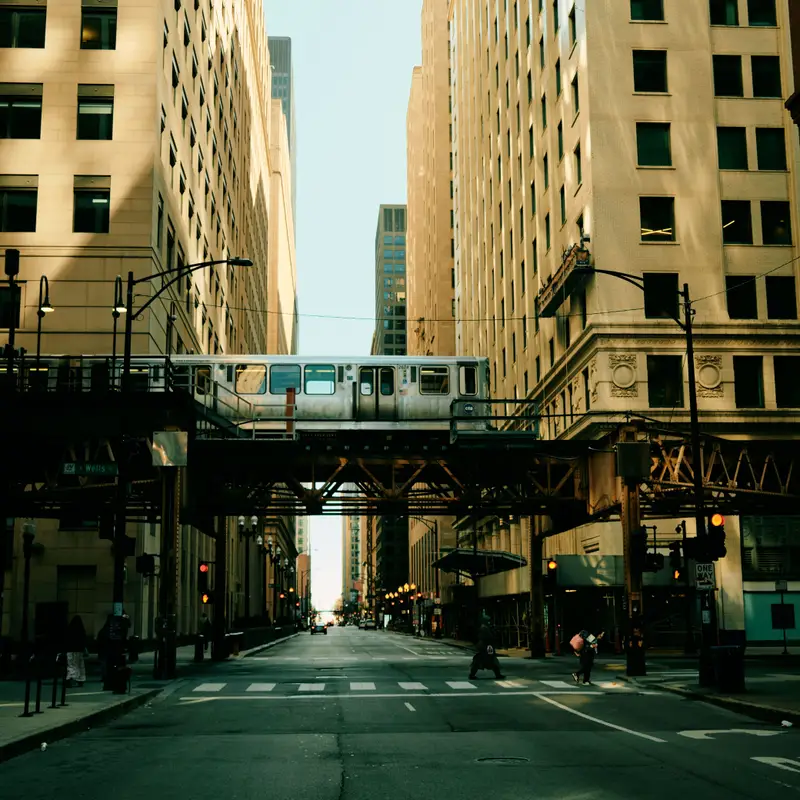
Demand concentrates tightly. The Loop and River North carry the weekday office trade, and the West Loop around Fulton Market has turned a meatpacking district into the busiest restaurant corridor in the city. North and west of there, Wicker Park, Bucktown, Logan Square and Lincoln Park run heavy evening volume every night of the week, and the campuses in Hyde Park, Lincoln Park and the Near West Side (UChicago, DePaul, UIC) add a school-year rhythm that drops off in July and August. Wrigleyville and the United Center reshape a whole evening when something is on.
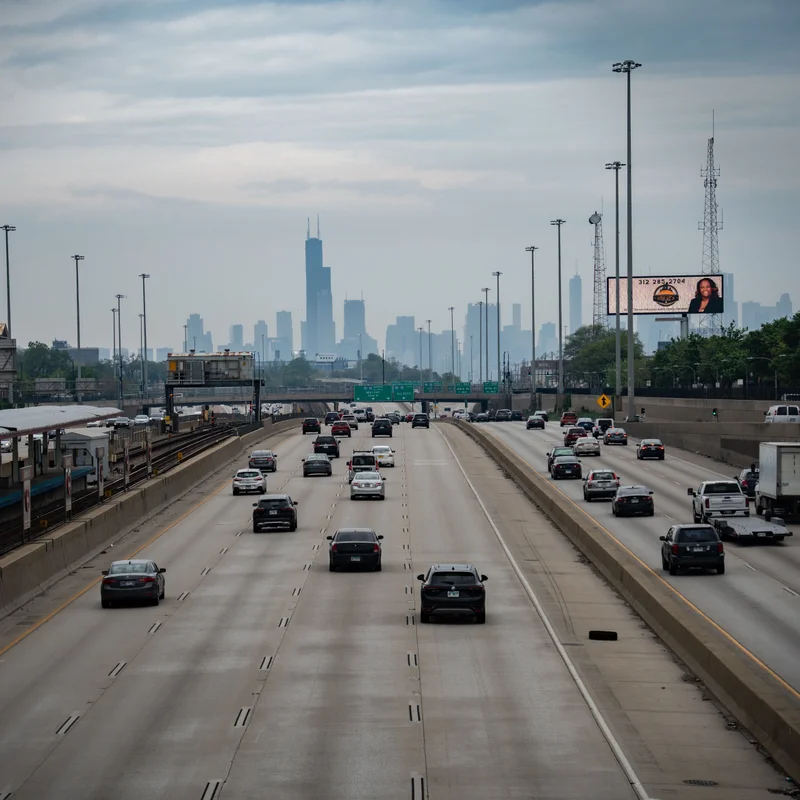
The seasons matter here more than in almost any other American market. Between roughly November and March, wind off the lake and real snow push couriers off their bikes and shift the mix toward cars, which tightens supply exactly when order volume rises, so winter is when a driver with a car does best. The other Chicago constant is freight: this is the largest rail hub in North America, and the warehouse belt running out along I-55 and I-80 toward Joliet and Elwood keeps scheduled parcel and e-commerce blocks available across the whole year rather than clustering into evenings.
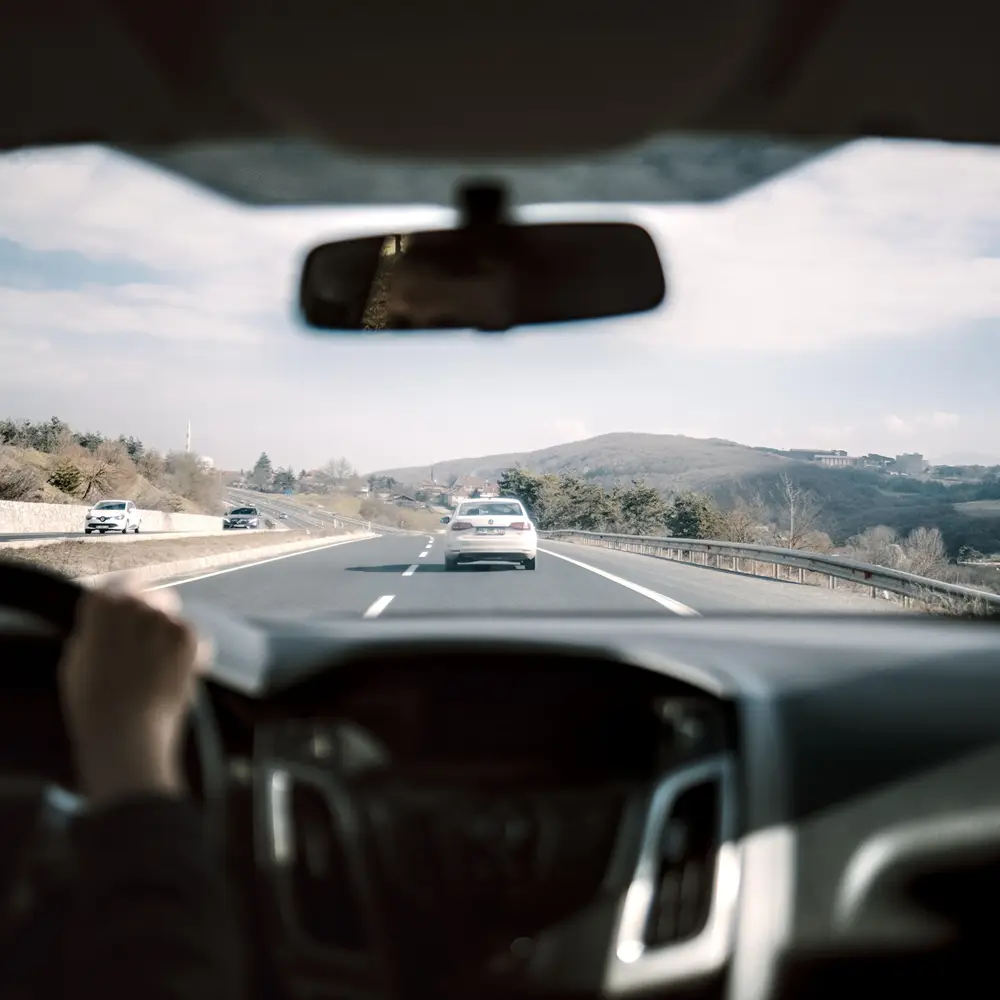
From signup to your first earnings, the whole flow takes between 24 hours and a few days, depending on the vehicle and checks involved.
Just your phone and email. Then a few quick details: name, ZIP code, vehicle and eligibility. No fees, no contract.
We line you up with the Chicago companies that fit your vehicle, your area and the hours you want. You see only the ones that want you.
Complete the checks each company runs: work authorization, driver's license, a background check and your bank details. How long that takes depends on the company and the city.
Here is what is different about driving in Chicago, and what to have in place before you start.
The Rideshare Living Wage and Safety Ordinance was tabled in June 2025 and never passed.
$17.05 an hour from July 1, 2026 covers employees, not 1099 drivers.
Which rate applies depends on where you do the work, not where you live.
Charged per trip, higher for solo rides to or from the congestion zone.
Snow and wind off the lake sideline bike work, about November to March.
Every company checks it. To get paid you need an SSN and a US bank account.
We only connect you to companies that actually fit your vehicle, your area and your eligibility. No wasted applications. No companies you can't take work for.
Sign up to get matchedDemand looks different across Chicago. Here is where the work concentrates and when it peaks.
The Loop, River North, Streeterville, Gold Coast, West Loop
Fulton Market, West Town, Wicker Park, Bucktown, Ukrainian Village
Lincoln Park, Lakeview, Wrigleyville, Logan Square, Avondale
O'Hare, Elk Grove Village, Midway, Cicero, Bridgeport, Pilsen, the Stevenson (I-55) corridor
We match drivers across Chicago and out into suburban Cook County, from the Loop and the West Loop up the North Side to Evanston, west to Oak Park and Cicero, and down the South Side through Bridgeport and Hyde Park. Food demand is densest downtown and along the Fulton Market and Wicker Park corridor, grocery work spreads across the residential North and Northwest Sides, and parcel blocks run off the warehouse corridors along the expressways. Tell us your ZIP code and we will line you up with what is hiring near you.
No. The Rideshare Living Wage and Safety Ordinance would have set a minimum per minute and per mile, plus a floor per ride, the way New York City and Seattle already do. It was tabled in June 2025 and has not passed, so there is currently nothing underneath app driving here. Worth knowing up front: Chicago is closer to Atlanta than to New York on this, and what you earn is whatever the companies pay, plus tips.
Only if you are employed. The city rate rose to $17.05 an hour on July 1, 2026, against $15 across Illinois and $15.40 in suburban Cook County, and it is one of the highest city minimums in the country. But a minimum wage covers employees, and app-based driving is independent contractor work, so it sets the floor for an employed driving job in the city and does nothing for a 1099 shift.
It depends entirely on which work you take, and Chicago has less published data than most cities. Amazon publishes $18 to $25 an hour, including tips, for Flex blocks nationally, which is the only company-published hourly figure that applies here, and it is national rather than a Chicago rate. Instacart publishes $7 to $10 for a full-service batch, and DoorDash pays from about $2 per offer plus all of your tips. The one study of what Chicago drivers actually clear, from the UC Berkeley Labor Center, put the typical passenger driver at $10.85 an hour net, but that was January 2022 data gathered to argue for the ordinance that never passed, so treat it as history rather than a current rate.
It is the single biggest seasonal factor in this market. From roughly November to March, wind off the lake and sustained snow make bike and scooter work genuinely hard, and a lot of couriers stop. Order volume goes the other way and rises, so supply tightens exactly when demand peaks. If you have a car, winter is when Chicago pays you best. If you deliver by bike, plan for a season rather than a full year.
The Loop and River North carry the weekday office trade, and Fulton Market in the West Loop is now the densest restaurant corridor in the city. Wicker Park, Bucktown, Logan Square, Lincoln Park and Lakeview run heavy evening volume every night. Wrigley Field and the United Center reshape an entire evening when something is on, and O'Hare and Midway generate passenger demand at every hour of the day.
Yes. The city levies a ground transportation tax on every rideshare trip, and it is higher for solo rides that start or end in the congestion zone between 6am and 10pm. Since January 2026 that zone is not just downtown: it runs from Foster Avenue down to 31st Street and east of Western Avenue, plus Hyde Park. The passenger pays it rather than you, but it raises the price of a trip, which can soften demand exactly where and when you would most want to be working.
It is one of the best markets in the country for it. Chicago is the largest rail freight hub in North America, and the warehouse belt running out along I-55 and I-80 toward Joliet and Elwood is home to the biggest inland port in the country. That means scheduled blocks are available all week rather than clustering into evenings and weekends the way food does, and it holds up through the winter when two-wheel work does not.
Yes, and in a market with no earnings floor most experienced drivers do, because stacking is how you cover the quiet hours nothing else pays for. You can run rideshare and food in parallel and pick up scheduled grocery or parcel blocks on quieter days. Service Club is one signup across all of them, so the paperwork happens once.
No. Service Club is free for drivers. We earn from the companies we connect you to, not from you. You keep 100% of what you earn from the companies themselves.