
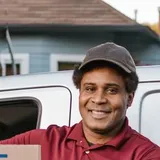

Central Dallas
Downtown, Uptown, Deep Ellum, Lower Greenville, Knox-Henderson, Bishop Arts

Drive passengers or deliver food, groceries and parcels, across Dallas, Fort Worth and the surrounding areas. One signup, and you set your own hours.
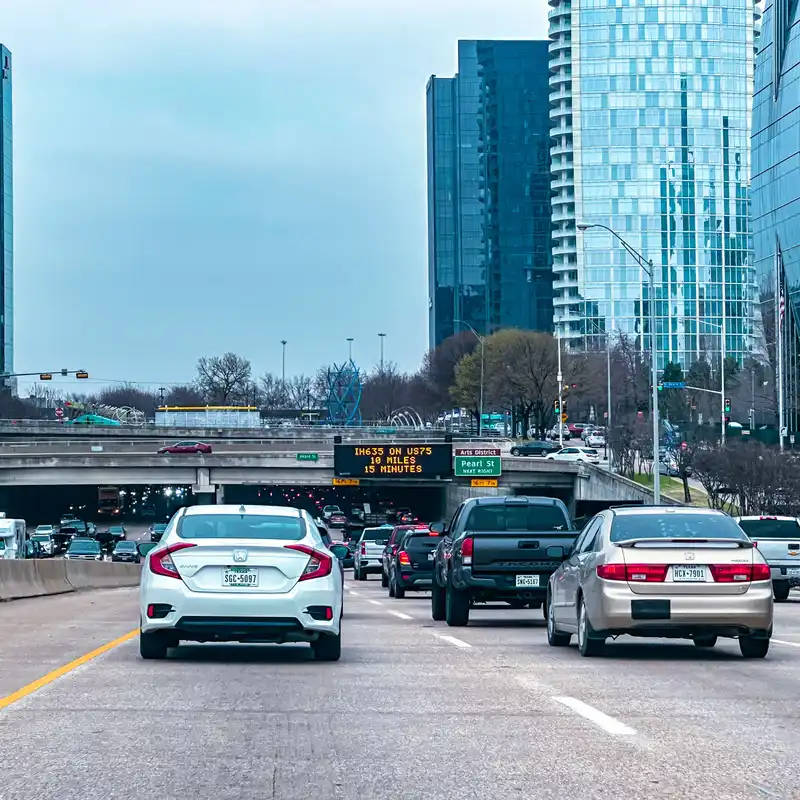
TRUSTED BY THE WORLD'S LEADING LOGISTICS COMPANIES










Dallas-Fort Worth is one of the busiest driving markets in the country, for passengers and for deliveries. Whatever you drive, there is a role that fits.
Drive passengers for Uber or Lyft as an independent contractor. You pick the hours, the area and how much you work.
Deliver restaurant orders for DoorDash, Uber Eats and Grubhub. Short jobs and quick turnaround, with tips on top.
Shop and deliver grocery and retail orders for Instacart, Shipt and Spark Driver, paid per batch plus tips.
Block-based shifts delivering parcels. Book scheduled blocks and see what the block pays before you accept it.

"I had been driving for years but never knew how to get onto the bigger platforms. Service Club matched me with three companies that suit my schedule."
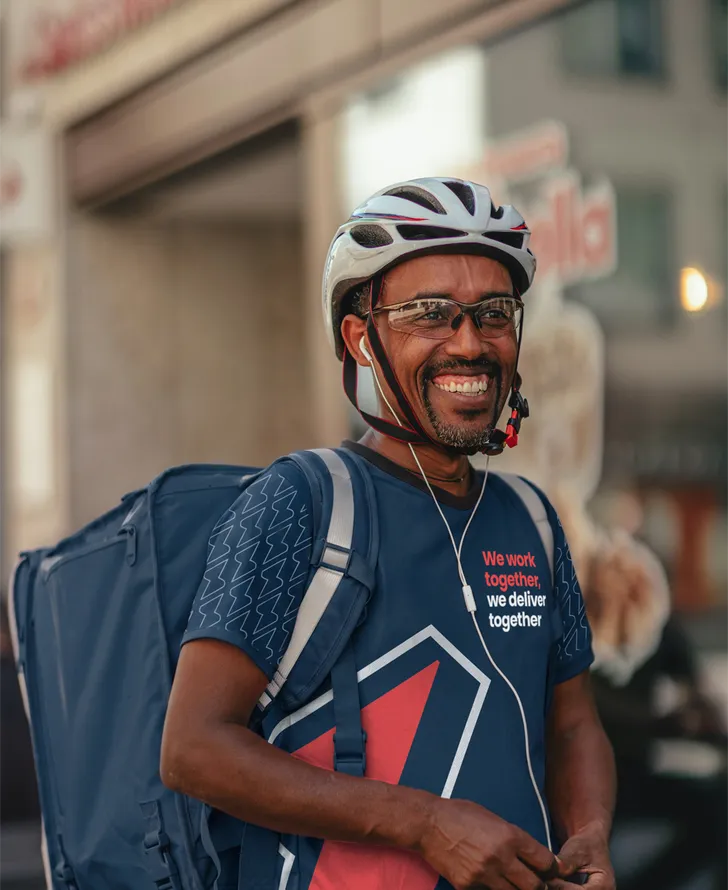
"The paperwork alone used to put me off. Service Club handled everything, background checks, insurance docs. Now I earn more and stress less."

"I was juggling three different delivery apps before Service Club. They set me up with a single contract and I was driving for two companies within 48 hours."
As an independent contractor you are paid per job, at the rates each company publishes, plus tips. Here is how each kind of work pays in Dallas-Fort Worth.
Figures are revenue before gas, vehicle costs, insurance and self-employment tax, not wages. Company-published ranges are national unless a row says otherwise, and any local pay rule is explained on this page. Actual earnings depend on hours worked, area covered and how many companies you sign up with through Service Club.
Service Club ® connects Dallas-Fort Worth drivers to top companies faster, for passenger work and for delivery, with less paperwork and more support.
Apply once and get matched to multiple Dallas-Fort Worth companies, for passenger driving and for delivery. No repeating the same forms across different apps.
Drive as an independent contractor: you decide when to log on, where to work and how much to take on.
Discounts on gas, food, gear, phone plans and entertainment. Built specifically for people who drive for a living.
Service Club is free for you. We earn from the companies we connect you to, never from your earnings.
No exclusivity on contractor work. Run rideshare and delivery in parallel, or pick up scheduled parcel blocks on quiet days. Your call.
Real humans you can reach when something goes wrong on the road, not just an app chatbot.
The Dallas-Fort Worth Metroplex is the fourth-largest metro area in the country, with 8,477,157 people as of July 2025, and it does not work like one city. Downtown Dallas and downtown Fort Worth are about 30 miles apart, each with its own restaurant districts, nightlife and suburbs, with DFW Airport roughly halfway between them and Love Field in northwest Dallas. Most drivers pick a side and stay on it, because a trip that drags you across the middle can leave you 30 miles from the part of town you know, with a long drive back.
What neither city has is any earnings floor for app work, and neither is allowed to create one. The Texas minimum wage is the federal $7.25 an hour, unchanged since July 24, 2009, and it covers employees, not independent contractors. State law has governed Uber and Lyft across Texas since 2017, so Dallas and Fort Worth cannot set a rate for rideshare the way New York sets one for delivery, and the Texas minimum wage overrides any city wage ordinance. So read every figure on this page as revenue, not wages: gas, tolls and wear and tear come out of it, and nothing covers a slow hour.
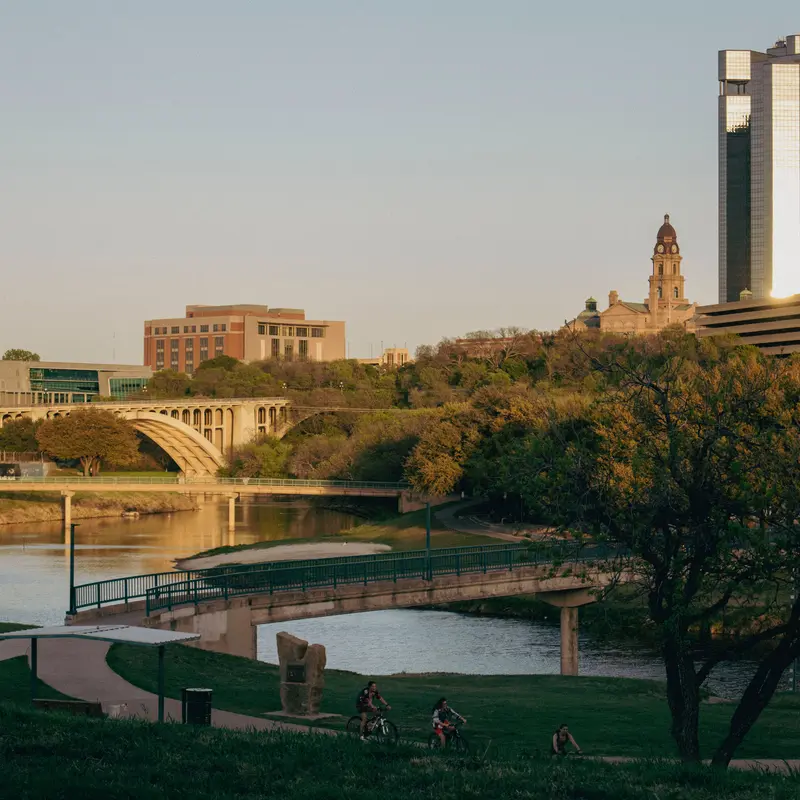
This is a toll road market. The North Texas Tollway Authority runs the Dallas North Tollway, the George Bush Turnpike, the Sam Rayburn Tollway on 121, the Chisholm Trail Parkway and the 360 Tollway, and since July 1, 2025 most of its roads charge 22 cents a mile with a TollTag, while ZipCash, the bill that comes in the mail, costs double. With a TollTag, Uber reimburses most Metroplex tolls on a trip automatically, but never the dynamically priced TEXpress lanes on LBJ (635) and the North Tarrant Express (820, 183 and 35W), and from October 1, 2026 it caps the reimbursement at $3 a trip. On delivery work the toll is usually yours alone. DFW Airport adds its own charges: from October 1, 2026 a car that cuts through the airport on International Parkway in under eight minutes pays $12 with a TollTag.
The other thing to know is where people are moving. Between July 2024 and July 2025 Collin County added 42,966 residents while Dallas County lost 2,616, Celina, north of Dallas, was the fastest-growing city in the United States at 24.6 percent, and Fort Worth added 19,512 people, more than any American city except Charlotte. The freight follows the same map: AllianceTexas, 27,000 acres in far north Fort Worth around Alliance Airport, where Amazon, FedEx and UPS all operate, and the Inland Port in southern Dallas County, around the Union Pacific intermodal terminal in Wilmer and Hutchins, keep scheduled parcel work running all week.
From signup to your first earnings, the whole flow takes between 24 hours and a few days, depending on the vehicle and checks involved.
Just your phone and email. Then a few quick details: name, ZIP code, vehicle and eligibility. No fees, no contract.
We line you up with the Dallas-Fort Worth companies that fit your vehicle, your area and the hours you want. You see only the ones that want you.
Complete the checks each company runs: work authorization, driver's license, a background check and your bank details. How long that takes depends on the company and the city.
Here is what is different about driving in Dallas-Fort Worth, and what to have in place before you start.
Texas uses the federal $7.25 an hour, and it covers employees only.
State law has governed Uber and Lyft across Texas since 2017.
ZipCash billing by mail costs double the TollTag rate of 22 cents a mile.
From October 1, 2026. Dynamic TEXpress lane tolls are never covered.
$12 with a TollTag for under eight minutes, from October 1, 2026.
Every company checks it. Getting paid needs an SSN and a US bank account.
We only connect you to companies that actually fit your vehicle, your area and your eligibility. No wasted applications. No companies you can't take work for.
Sign up to get matchedDemand looks different across Dallas-Fort Worth. Here is where the work concentrates and when it peaks.
Downtown, Uptown, Deep Ellum, Lower Greenville, Knox-Henderson, Bishop Arts
Downtown and Sundance Square, the Near Southside, West 7th, the Cultural District, the Stockyards, TCU
Plano and Legacy West, Frisco, McKinney, Allen, Prosper, Celina
Arlington's Entertainment District, Irving and Las Colinas, Grapevine, Grand Prairie, DFW Airport
We match drivers across Dallas-Fort Worth, from downtown Dallas and Uptown through Irving, Arlington and Grand Prairie to downtown Fort Worth, and north through Plano, Frisco, McKinney, Denton and the Alliance corridor. Food demand is densest in central Dallas and central Fort Worth, grocery work is strongest in the fast-growing northern suburbs, and parcel blocks run out of the warehouse hubs around Alliance in north Fort Worth and in southern Dallas County. Tell us your ZIP code and we will line you up with what is hiring near you.
No. Texas has no earnings floor for rideshare or delivery work, and its minimum wage is the federal $7.25 an hour, unchanged since July 24, 2009. That minimum covers employees, and Texas law treats a rideshare driver as an independent contractor as long as the company does not set your hours, keep you from using other apps, limit where you drive or keep you from doing other work, and you both agree to it in writing. What you earn is what the companies pay, plus tips, and your costs come out of that.
Not under current Texas law. Since 2017 only the state can regulate rideshare companies and their drivers, so no city or county can license them, tax them or set their rates. The state minimum wage also overrides any wage set by a city ordinance. And since September 1, 2023 a further state law has barred cities from writing rules that go beyond the Labor Code, and it still stands: Houston led a challenge to it and lost on appeal in July 2025. The only local bodies that can still set rules for rideshare are the airports.
In practice, yes. Since July 1, 2025 most North Texas Tollway Authority roads charge 22 cents a mile with a TollTag, and ZipCash, the bill mailed to cars without one, costs double. On rideshare, Uber reimburses most Metroplex tolls on a trip automatically if you have a TollTag, but not the dynamically priced TEXpress lanes, and from October 1, 2026 it reimburses at most $3 a trip, so on a long trip up the Tollway or 121 the rest is yours. On delivery work, budget for tolls as your own cost, so a tollway shortcut has to pay for itself.
They are two separate queues. At DFW Airport you wait in the staging lot off Highway 121 and join a virtual queue, and on Uber the first $2 of the airport's parking fee is built into the fare. At Love Field the rideshare pickup moved to the valet pavilion off Herb Kelleher Way in January 2025, with its own first-in, first-out queue. One DFW trap to avoid: from October 1, 2026 the airport charges $12 with a TollTag, or $15 by card, to any car that cuts through on International Parkway in under eight minutes. A drop-off or pickup that takes 8 to 30 minutes costs $1 with a TollTag.
Pick one and learn it, because the two downtowns are about 30 miles apart and a trip across the middle can leave you a long way from the side you know. Dallas has the denser restaurant districts and Love Field. Fort Worth is the faster-growing of the two: it added 19,512 residents between July 2024 and July 2025, the second-largest gain of any city in the country, and now has more than a million people. Arlington, Irving and the rest of the Mid-Cities sit between them around the airport, and work as a third option for drivers who live in the middle.
Because that is where people are moving. Celina was the fastest-growing city in the United States between July 2024 and July 2025, up 24.6 percent, and Princeton, Melissa and Anna were all in the national top five. Collin County added 42,966 residents in the same year while Dallas County lost 2,616. New rooftops mean new grocery and food orders a long way from the old restaurant districts, which suits a driver with a car who lives up there rather than one commuting out from Dallas.
A lot of it, because the Metroplex is a distribution hub at both ends. AllianceTexas in far north Fort Worth is a 27,000-acre development built around Alliance Airport, home to Amazon, FedEx and UPS operations, and southern Dallas County has the Inland Port around the Union Pacific intermodal terminal in Wilmer and Hutchins. Amazon publishes up to $18 to $25 an hour including tips for Flex blocks, which is a national figure, not a DFW rate, and you see the block pay before you accept it.
Yes. Contractor work here carries no exclusivity, and the Texas test for treating a rideshare driver as a contractor includes the company not stopping you from using other apps. With no floor under any of them, running rideshare and food together and adding grocery or parcel blocks on slow days is how most drivers fill the gaps. One signup with Service Club covers all of them, so you only do the paperwork once.
No. Signing up is free for drivers, and nothing is deducted from your pay. The companies we connect you to pay us, and every dollar the companies pay you, tips included, stays yours.