


Downtown and Capitol Hill
Downtown, Penn Quarter, Chinatown, Foggy Bottom, NoMa, Capitol Hill

Drive passengers or deliver food, groceries and parcels, across Washington DC and the surrounding areas. One signup, and you set your own hours.
TRUSTED BY THE WORLD'S LEADING LOGISTICS COMPANIES










Washington DC is one of the busiest driving markets in the country, for passengers and for deliveries. Whatever you drive, there is a role that fits.
Drive passengers for Uber or Lyft as an independent contractor. You pick the hours, the area and how much you work.
Deliver restaurant orders for DoorDash, Uber Eats and Grubhub. Short jobs and quick turnaround, with tips on top.
Shop and deliver grocery and retail orders for Instacart, Shipt and Spark Driver, paid per batch plus tips.
Block-based shifts delivering parcels. Book scheduled blocks and see what the block pays before you accept it.

"I had been driving for years but never knew how to get onto the bigger platforms. Service Club matched me with three companies that suit my schedule."
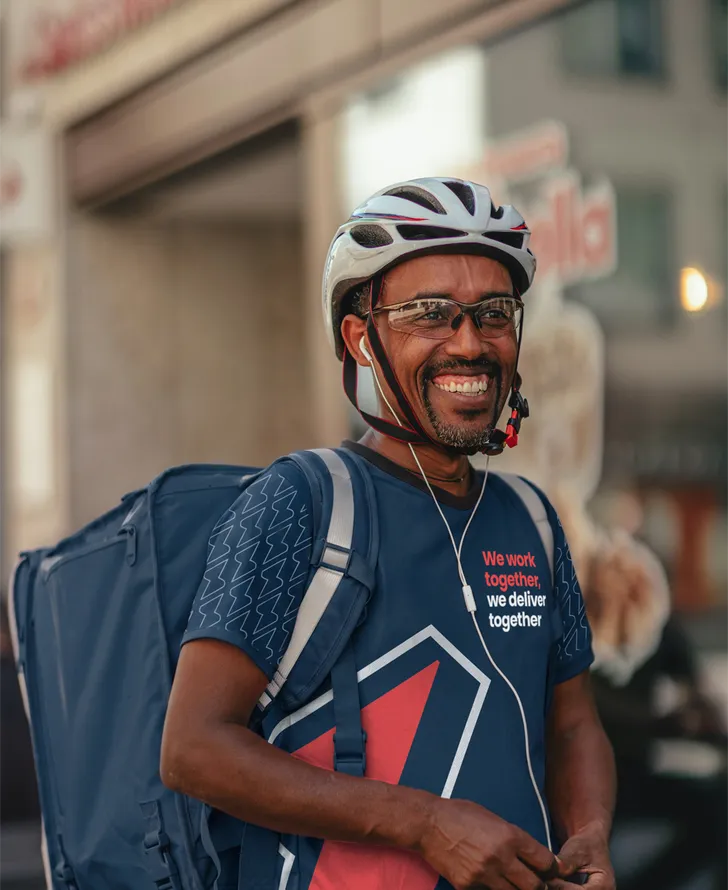
"The paperwork alone used to put me off. Service Club handled everything, background checks, insurance docs. Now I earn more and stress less."

"I was juggling three different delivery apps before Service Club. They set me up with a single contract and I was driving for two companies within 48 hours."
As an independent contractor you are paid per job, at the rates each company publishes, plus tips. Here is how each kind of work pays in Washington DC.
Figures are revenue before gas, vehicle costs, insurance and self-employment tax, not wages. Company-published ranges are national unless a row says otherwise, and any local pay rule is explained on this page. Actual earnings depend on hours worked, area covered and how many companies you sign up with through Service Club.
Service Club ® connects Washington DC drivers to top companies faster, for passenger work and for delivery, with less paperwork and more support.
Apply once and get matched to multiple Washington DC companies, for passenger driving and for delivery. No repeating the same forms across different apps.
Drive as an independent contractor: you decide when to log on, where to work and how much to take on.
Discounts on gas, food, gear, phone plans and entertainment. Built specifically for people who drive for a living.
Service Club is free for you. We earn from the companies we connect you to, never from your earnings.
No exclusivity on contractor work. Run rideshare and delivery in parallel, or pick up scheduled parcel blocks on quiet days. Your call.
Real humans you can reach when something goes wrong on the road, not just an app chatbot.
Driving in Washington DC means working across three sets of laws. A trip from Dupont Circle to Reagan National ends in Virginia, a run up Wisconsin Avenue ends in Maryland, and each side has its own minimum wage: $18.40 an hour in the District since July 1, 2026, $18.00 in Montgomery County for large employers, $15.00 in the rest of Maryland and $12.77 in Virginia, rising to $13.75 on January 1, 2027. None of those reaches a 1099 app shift. They set the floor for employed jobs only, and none of the three has an earnings floor for app work. Maryland weighed per-mile and per-minute minimums for rideshare in 2026 and the bill never left committee, so on pay rules the DC area is closer to Chicago and Atlanta than to New York.
The rule that catches newcomers is about your license, not your pay. DC law only lets you drive rideshare in the District with a driver's license issued by DC, Maryland or Virginia, and you must be 21 or older. Someone who has just moved here with a license from another state cannot pick up passengers in the District until they switch it. Virginia adds its own rule: since July 1, 2026 the apps there must verify a driver's identity before activating an account and again periodically afterwards, and drivers may not share accounts.
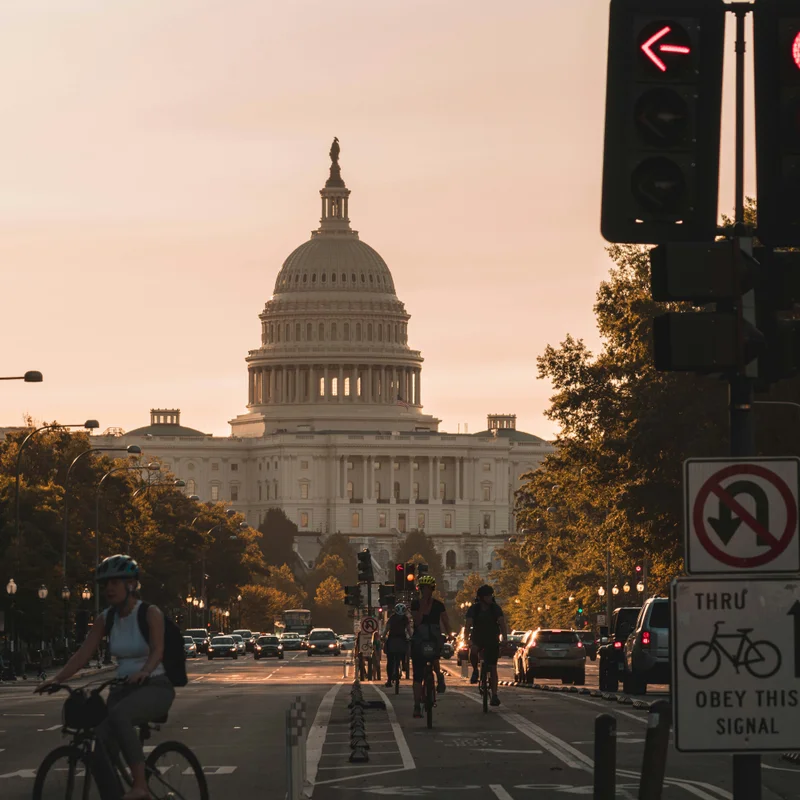
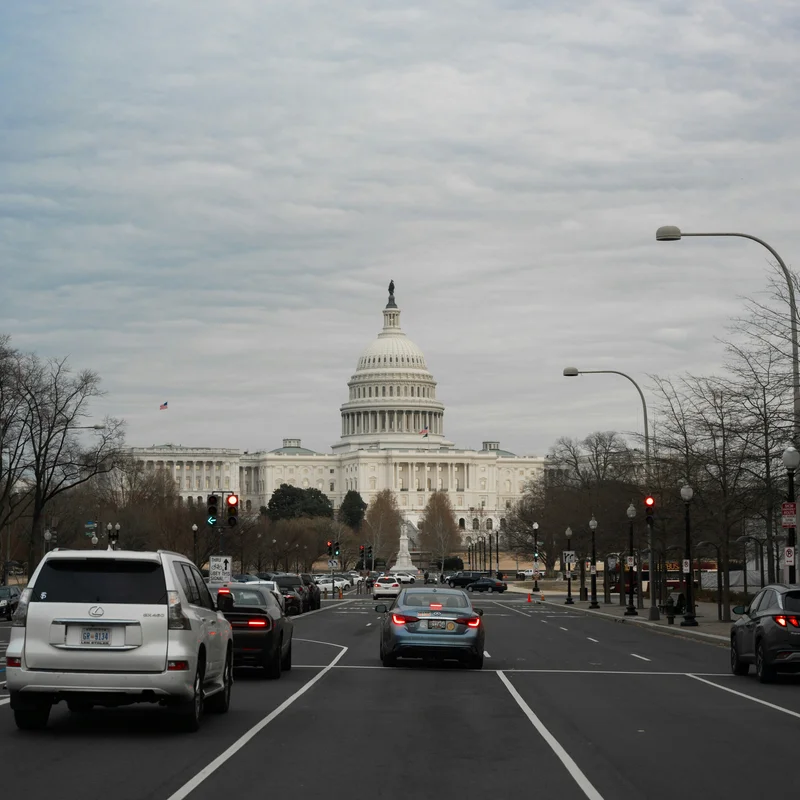
Security shapes the street map here like nowhere else in the country. Pennsylvania Avenue in front of the White House has been closed to vehicles since 1995, motorcades stop traffic on 16th Street and Connecticut Avenue at short notice, and a state visit can close a downtown tunnel and its exits for days at a time. Demand follows the federal week too: downtown, Capitol Hill and Foggy Bottom are busy at weekday lunch and quiet on weekends, when the evening trade moves to 14th Street, U Street, Navy Yard and the Wharf. Plan for detours and let the app reroute you rather than fighting a closure.
For food delivery the District is friendly to two wheels and strict with mopeds. An e-bike that tops out at 20 mph on the motor alone needs no license, and outside the Central Business District you may ride it on the sidewalk if you yield to people walking. A moped is a motor vehicle: it needs DC registration and plates, a driver's license, and it may not use bike lanes or sidewalks. App delivery is also coming under the Department of For-Hire Vehicles. Its proposed rules have every courier register through the app and show a decal on the car, or on a vest, helmet or bag. And DC law already requires every contract between a meal delivery app and a restaurant to let couriers use the restaurant's restroom when they collect.
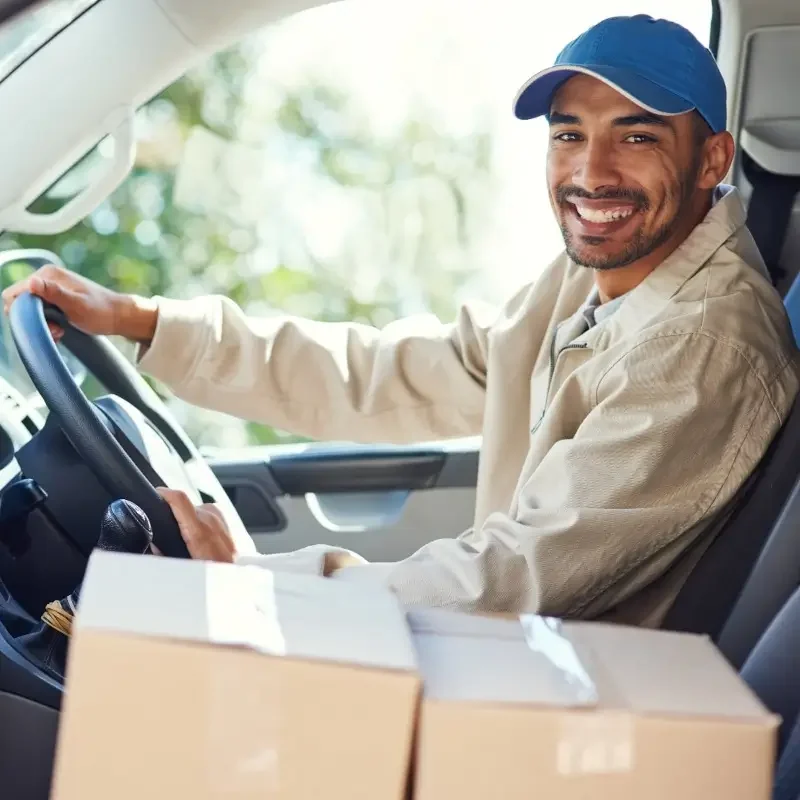
From signup to your first earnings, the whole flow takes between 24 hours and a few days, depending on the vehicle and checks involved.
Just your phone and email. Then a few quick details: name, ZIP code, vehicle and eligibility. No fees, no contract.
We line you up with the Washington DC companies that fit your vehicle, your area and the hours you want. You see only the ones that want you.
Complete the checks each company runs: work authorization, driver's license, a background check and your bank details. How long that takes depends on the company and the city.
Here is what is different about driving in Washington DC, and what to have in place before you start.
Not in the District, not in Maryland and not in Virginia.
In force since July 1, 2026. It does not reach a 1099 app shift.
Set in DC law, which also requires rideshare drivers to be 21 or older.
The proposed rules add registration and a visible decal or branded bag.
No bike lanes or sidewalks. E-bikes capped at 20 mph need no license.
Every company checks it. Payouts need an SSN and a US bank account.
We only connect you to companies that actually fit your vehicle, your area and your eligibility. No wasted applications. No companies you can't take work for.
Sign up to get matchedDemand looks different across Washington DC. Here is where the work concentrates and when it peaks.
Downtown, Penn Quarter, Chinatown, Foggy Bottom, NoMa, Capitol Hill
Logan Circle, Shaw, U Street, Dupont Circle, Adams Morgan, Columbia Heights
Navy Yard, Barracks Row, the Wharf, Southwest, Buzzard Point
Rosslyn, Clarendon, Ballston, Crystal City, Old Town Alexandria, Reagan National
We match drivers across DC and the suburbs that share its traffic: Arlington and Alexandria on the Virginia side, and Silver Spring, Bethesda, the rest of Montgomery County and Prince George's County in Maryland. Food demand is densest along the 14th Street and U Street corridor and on the waterfront, weekday lunch peaks downtown, grocery batches spread across the suburbs, and the airport trade runs out to Reagan National and Dulles in Virginia and BWI in Maryland. Tell us your ZIP code and we will line you up with what is hiring near you.
No. No District law sets an earnings floor for rideshare or delivery work done through an app, and neither Maryland nor Virginia has one. Maryland considered a bill in 2026, HB 18, that would have set per-mile and per-minute minimums for rideshare, and it never got out of committee. The District has ordered a study of delivery workers' pay and conditions, but it has not set a rate. What you earn is whatever the companies pay, plus tips.
Only if you are employed. The District rate rose to $18.40 an hour on July 1, 2026, the highest in the region, against $18.00 for large employers in Montgomery County, $15.00 elsewhere in Maryland and $12.77 in Virginia, which rises to $13.75 on January 1, 2027. A minimum wage covers employees. App driving is independent contractor work, so none of those rates sets a floor under a 1099 shift, whichever side of the line you are on.
Not in the District itself. DC law requires a rideshare driver to hold a driver's license issued by DC, Maryland or Virginia and to be at least 21. If you have moved here from elsewhere, switching your license is the first step. Virginia, where both Reagan National and Dulles are, is separate: since July 1, 2026 it requires the apps to verify your identity before activating your account and periodically afterwards, and it bans account sharing between drivers.
More than in any other city we cover. Pennsylvania Avenue in front of the White House has been closed to vehicles since 1995. Motorcades stop traffic on routes such as 16th Street and Connecticut Avenue, often at short notice. A state visit or a big international meeting can close downtown streets and tunnels for several days. None of this is a reason to avoid downtown, but it is a reason to trust the app's routing and to expect the odd detour.
Almost certainly, if you drive passengers. Reagan National and Dulles are both in Virginia, and BWI is in Maryland, so an airport run leaves the District. The rules of the place you are driving in apply there. Watch the I-66 express lanes inside the Beltway: on weekdays they are tolled eastbound from 5:30am to 9:30am and westbound from 3pm to 7pm, at a price that moves with traffic, and you need an E-ZPass. With three people in the car, you included, they are free if your E-ZPass Flex is set to HOV.
They are different vehicles in DC law. An e-bike whose motor alone tops out at 20 mph, with working pedals, needs no license or insurance, and riders must be 16 or older. You may ride it on the sidewalk outside the Central Business District, yielding to pedestrians, but not downtown. A moped is a motor vehicle: it must be registered with the DC DMV and carry plates, you need a driver's license, and it may not use bike lanes, sidewalks or trails.
A 2024 law, in force since March 2025, puts app delivery under the Department of For-Hire Vehicles, and the rules that switch it on were proposed in 2026. As proposed, every courier registers through the app they work for, drivers verify the vehicle they are using before logging in, and couriers show a decal on the car or on a vest, helmet or bag while working. DFHV says it will allow four months after the rules are final before enforcing them. One rule is already in force: every contract between a meal delivery app and a DC restaurant has to let couriers use the restaurant's restroom when they collect an order.
Yes, and it suits this market well. There is no exclusivity on contractor work, so you can drive rideshare at rush hour and on airport runs, switch to food on weekday evenings in the 14th Street and U Street corridor, and pick up grocery or parcel blocks in the suburbs on weekends when downtown goes quiet. Service Club is one signup that covers all of them, so you only fill in the paperwork once.
No. Service Club is free for drivers and couriers, and nothing comes out of your earnings. We are paid by the companies we connect you to, and everything those companies pay you is yours.