Van Driver Jobs · UK

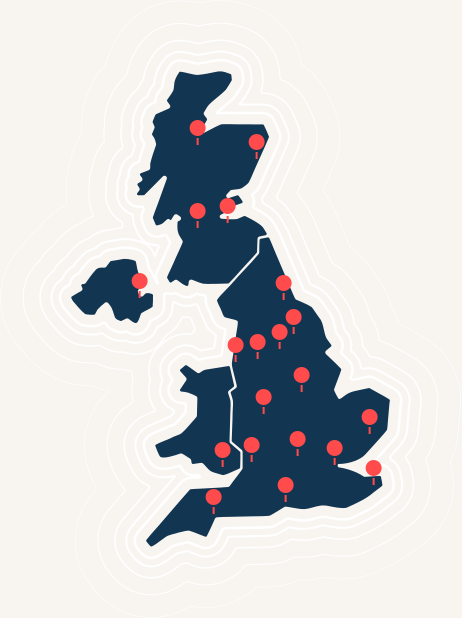
Van Driver Jobs Near You, Across the UK

From multi-drop parcel runs to Amazon DSP routes, supermarket home delivery and removals, van driving comes in many shapes. Tell us your licence, your van and your postcode, and see the van driver jobs that fit where you are.

Find van driver jobs

Free to join · Category B licence is enough

Van driver seated in the cab with parcels ready for a UK delivery route

Van driver jobs are one of the most in-demand roles on UK roads, and the barrier to getting started is lower than most people expect. A standard full car licence (category B) already lets you drive a van up to 3,500kg maximum authorised mass, that is 3.5 tonnes, which covers almost every parcel, courier and supermarket delivery van you see out on the road. So for the vast majority of van driver jobs in the UK you need nothing more than a normal car licence, the right to work here, and the willingness to put in a full, active day. No HGV training and no expensive qualifications to begin.

What sits under the heading van driver jobs is genuinely varied. You could run a fixed multi-drop parcel route for a carrier like Evri, DPD or Yodel, where the daily drop count swings a lot with the area and the season, drive a branded daily route for an Amazon Delivery Service Partner, deliver the weekly shop for Tesco, Sainsbury’s, Asda or Ocado in a refrigerated van, take on urgent same-day courier runs as an owner-driver, or lift and carry all day on a removals crew. Some of these are employed roles paid by the hour, others are self-employed and paid per drop, so the pay, the hours and the day-to-day feel change a lot from one to the next.

When you search van driver jobs near me, you want work that fits your postcode, your van and your schedule, not a list of roles two counties away. That is where Service Club comes in. Tell us where you are, what you drive and the entitlement on your licence, and we get to know you well enough to surface the van driving opportunities that make sense for you. One free profile, no fees, and you stay in control of what you say yes to, wherever you are in the UK.

The options

Types of van driver jobs in the UK

Multi-drop parcel delivery

The highest-volume van driving job in the UK. You run a fixed route in a 3.5 tonne van, delivering and collecting parcels for a carrier such as Evri, DPD, Yodel or Amazon. Volumes swing a lot with the area and the season, from a few dozen drops on a rural round to well over a hundred on a dense urban one. A category B licence is enough, and you can be paid hourly as an employee or per parcel as a self-employed driver.

Courier and same-day

On-demand, time-critical work: single urgent collections, dedicated point-to-point runs, medical or pharmacy samples and spare parts. Often self-employed owner-drivers registered with courier networks, paid per job or per mile. More variety and less repetition than multi-drop, though earnings track how busy the day is.

Amazon DSP routes

You work for an independent local company (a Delivery Service Partner) that delivers for Amazon, not for Amazon directly. Expect fixed daily routes, a branded van usually provided, structured hours and on-road support. Pay is normally quoted as a day rate rather than an hourly one, commonly about £145 to £180 for a nine to ten hour route. Some DSPs employ their drivers by the hour, others take them on self-employed and hire the van to them, so check which you are being offered. A full category B licence and a background check are standard.

Supermarket home delivery

Customer-facing grocery delivery for the likes of Tesco, Sainsbury’s, Asda, Morrisons, Ocado and Waitrose. Employed, steady shifts, refrigerated 3.5 tonne vans, and dependable pay of roughly £13 to £16 an hour, with the top of that range in London. Expect a licence held for a set period and a good doorstep manner.

Removals and man-and-van

Moving house and office contents, usually in two-person crews and sometimes in 7.5 tonne vehicles, which need category C1 entitlement and a Driver CPC. This is the most physical van work, with heavy lifting all day, and it usually pays more than standard multi-drop parcel work. Advertised salaries vary widely and commonly sit in the £30,000s.

Trade, wholesale and B2B

Delivering for builders’ merchants, catering and food wholesalers and parts distributors. Fewer but larger drops than parcel work, often with manual handling, cages or a tail-lift, and mostly daytime weekday hours. Usually employed and hourly, category B for 3.5 tonne vans and C1 for the bigger ones.

The pay

How much can you earn as a van driver?

How much you can earn as a van driver comes down to the type of work you pick, so it pays to compare like for like. Employed multi-drop and parcel roles generally start at or just above the National Living Wage, which is £12.71 an hour for drivers aged 21 and over, and run to about £15, roughly £25,000 to £31,000 a year on full-time hours. Indeed puts the UK-wide average for a van driver around £13.63 an hour, so read that band as a range rather than a typical figure. The National Careers Service puts a delivery van driver between £20,000 and £27,000 a year, though it bases that on 20 to 42 variable hours a week, so the lower end reflects part-time rather than full-time work.

Among employed roles, supermarket home delivery sits in the middle of the range and pays best in London: Tesco quotes £14.18 an hour, rising to £15.45 for stores inside the M25, Asda advertises its customer delivery driver roles at £13.10 an hour and £14.35 inside the M25, and Sainsbury’s runs from about £13.27 an hour outside London up to £16.04 at its central London stores. Amazon DSP routes are advertised as a day rate rather than an hourly one, commonly about £145 to £180 for a nine to ten hour route, with Indeed putting the average advertised day rate at about £151. Evri’s employed ParcelShop van driver roles come with the van, holiday pay, sick pay and a pension, on full or part-time hours. Removals usually pays more than standard parcel work, with advertised salaries commonly in the £30,000s, though the work is the most physical of the lot.

Self-employed and owner-driver work is different again, because you are paid per parcel or per drop rather than by the hour. The headline figures look impressive: Evri advertises up to £1,200 a week for a self-employed Evri Premium van route, which its own small print puts at six days a week at about £200 a day, and DPD owner-driver adverts quote £50,000 to £60,000 a year. Read those as money coming into a business rather than wages. Out of them you pay for your van, fuel, insurance, maintenance and tax, and unlike an employee you are not entitled to the National Minimum Wage, so nothing sits under a quiet week. Neither model is better than the other, they just suit different people: employed for steady, predictable pay and a provided van, self-employed for flexibility and the upside of a busy week.

Why Service Club

Van driver jobs that actually fit you

One profile, jobs near you

Add your postcode, licence and van once. We get to know you so the van driver jobs you see fit where you actually live and what you can drive, not roles on the other side of the country.

Employed or self-employed, your call

See hourly employed routes and per-drop self-employed work side by side, so you can pick the lane that suits your income and your schedule rather than settling for the first thing that comes up.

You stay in the driving seat

We are here to help you find work that suits you, not to push you into whatever is going. You decide what is right for you and what you say yes to.

Free to join, no fees

Creating your Service Club profile costs nothing and always will. There are no fees to use Service Club, and the Service Club Academy can help you get road ready and stand out when a van driving role you want comes up.

The essentials

What you need to become a van driver

  • A full UK category B (car) driving licence, which covers vans up to 3,500kg (3.5 tonnes). You only need category C1 entitlement for vehicles between 3,500kg and 7,500kg, and if you drive one for a living you also need a Driver CPC.
  • The right to work in the UK.
  • The right age and experience: category B licences start at 17, but in practice many employers want a full licence held for at least 12 months, and some roles set a minimum age because of their insurance.
  • A reasonably clean licence. Many roles cap penalty points, commonly at three to six.
  • Physical fitness for multi-drop and removals work: lots of lifting, carrying and getting in and out of the van all day.
  • A background check for some roles. Amazon DSP routes and medical or pharmacy courier work commonly include a DBS check, and some carriers instead ask you to declare that you have no unspent convictions.
  • For self-employed courier and owner-driver work: a van you own, lease or hire, hire-and-reward insurance, goods-in-transit cover where the network asks for it, and registration for self-assessment (a UTR).
  • Comfort with a delivery app or sat-nav, good local knowledge, and the customer-service basics for doorstep roles.
Getting started

How to find van driver jobs near you

Getting started is straightforward. If you hold a full category B licence and the right to work in the UK, you already meet the core requirement for most van driver jobs. Create your free Service Club profile, add your postcode, the van you drive or can access, and the hours that suit you, and you can start seeing van driver opportunities near you. There is no CV to polish and no applying to role after role separately. From there it is about picking the lane that fits your life, and if you also fancy bike, scooter or car delivery, you can explore all delivery jobs across the wider Service Club platform to keep your options open.

Van driver unloading parcels from the back of a white van and handing a box to a customer
Good to know

Van driver jobs: your questions answered

How much do van drivers earn in the UK?

Van driver pay varies a lot by the type of work. Employed multi-drop and parcel drivers typically earn from the National Living Wage, £12.71 an hour for drivers aged 21 and over, up to about £15 an hour, roughly £25,000 to £31,000 a year on full-time hours, and Indeed puts the UK-wide average for a van driver around £13.63 an hour. Supermarket home delivery pays roughly £13 to £16 an hour, with the top of that range in London. Amazon DSP routes are usually quoted as a day rate, commonly about £145 to £180 for a nine to ten hour route. Self-employed and owner-driver work is paid per parcel or per drop, so headline figures look larger: Evri advertises up to £1,200 a week for a self-employed Evri Premium van route, which its own small print puts at six days a week at about £200 a day. Treat those as revenue coming into a business rather than wages, because you supply the van and cover fuel, insurance, maintenance and tax, and self-employed drivers are not entitled to the National Minimum Wage. Removals usually pays more than standard parcel work, with advertised salaries commonly in the £30,000s.

What licence do I need to drive a van in the UK?

For almost all van driver jobs, a full UK category B (car) licence is all you need. It lets you drive a van up to 3,500kg maximum authorised mass, that is 3.5 tonnes, which covers the parcel, courier and supermarket delivery vans used by most employers. For fully electric or hydrogen vans the limit is 4,250kg, to allow for the heavier battery or fuel system. That applies to zero emission vehicles only, so a hybrid van still counts as 3,500kg, and there is no extra training to sit before you drive one. You only need category C1 entitlement to drive a larger van or box lorry between 3,500kg and 7,500kg, and if you drive one as the main part of your job you also need a Driver CPC. If you passed your car test before 1 January 1997 your licence usually already shows C1 entitlement, which covers 7.5 tonne vehicles without a separate test, so it is worth checking the categories on your own licence.

How do I find van driver jobs near me?

Van work tends to be local, so there is usually something within reach of most UK towns and cities. Create a free Service Club profile, add your postcode, the type of van you can drive and the hours you can work, and you can see van driver jobs near you rather than sifting through roles that were never in your area. You fill things in once, and we get to know you so the opportunities you see actually fit where you live and what you drive.

Are van driver jobs employed or self-employed?

Both. Employed van driver jobs, such as supermarket home delivery and trade or wholesale multi-drop, pay by the hour, give you set shifts and usually provide the van and holiday pay. Amazon DSP routes come both ways: some DSPs employ their drivers by the hour, others take them on self-employed on a day rate, so ask which it is before you sign. Self-employed and owner-driver work, such as same-day, dedicated and premium parcel rounds, pays per drop or per job and gives you more freedom, but you supply your own van and cover fuel, insurance, maintenance and tax. Headline self-employed figures look larger, but once running costs come out net pay is often similar to a good employed role, and there is no National Minimum Wage underneath a quiet week. It is worth comparing the employed hourly rate against the after-costs figure on self-employed work before you commit.

Do I need experience to become a van driver?

Most van driver jobs do not require previous experience. If you hold a full category B licence, have the right to work in the UK and can handle an active day of lifting and driving, employers will usually train you on their routes, handheld scanners and delivery app. Multi-drop and removals reward good local knowledge and stamina, and customer-facing roles like supermarket delivery value basic customer service, but none of these need a formal qualification to get started.

How old do I need to be, and does my licence need to be clean?

You can legally drive a van on a category B licence from 17, but in practice many employers ask for a full licence held for at least 12 months, and some roles set a minimum age because of their insurance. Many roles also cap penalty points, commonly at three to six. Some jobs, such as Amazon DSP routes and medical or pharmacy courier work, also include a background check, and some carriers ask you to declare that you have no unspent convictions.

Do I need my own van?

It depends on the role. Employed van driver jobs, including supermarket home delivery, provide a branded van, so you do not need your own. Most Amazon DSP routes also provide a branded van, though on self-employed DSP arrangements the van is often hired from the operator and the charge comes out of your day rate. For self-employed courier and owner-driver work you generally need a van up to 3.5 tonnes that you own, lease or hire, plus hire-and-reward insurance, goods-in-transit cover, and registration for self-assessment with a UTR. Factor those running costs in when you compare per-drop pay against employed hourly rates.

Ready to start?

See the van driver jobs that fit you.

Create your free Service Club profile, tell us your licence, your van and your postcode, and see the van driver jobs near you that actually fit. No fees, no pressure, and you decide what to say yes to.

Join for free

Free to join · Matched to your van and location