
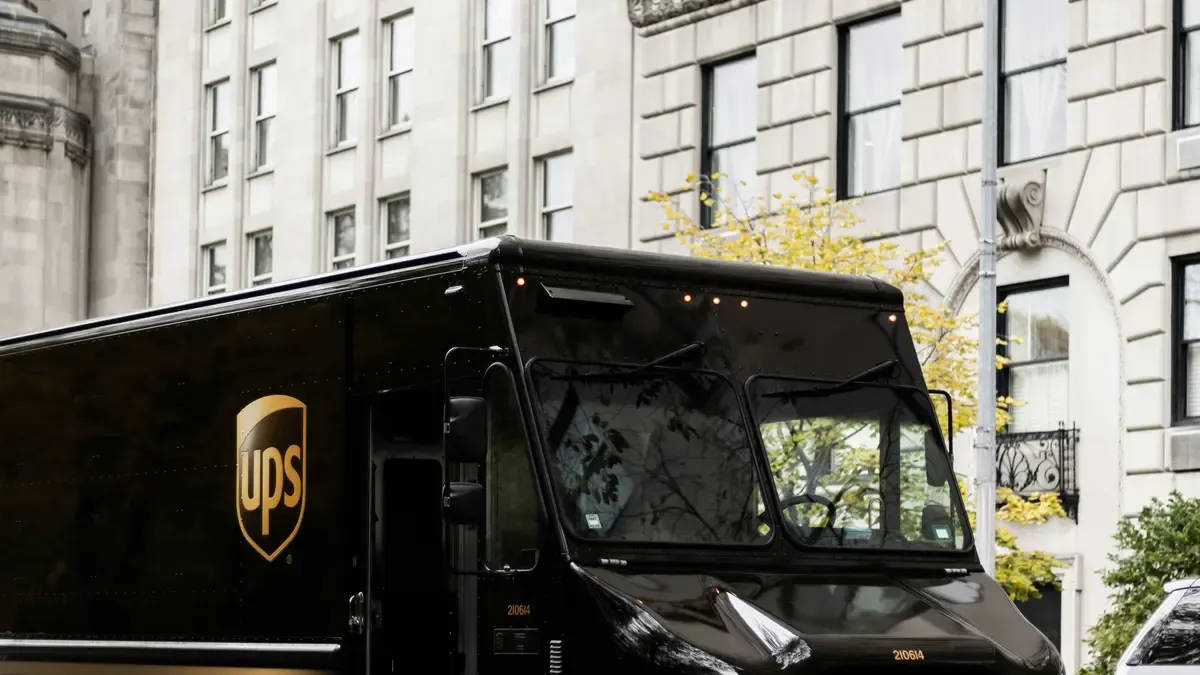
UPS hires its UK drivers on employed contracts, which puts it in a different category from most of the driving work on this blog. You get a rota, a UPS vehicle, holiday pay and a pension, and you give up choosing your own hours. If you have been comparing it with Amazon Flex or Evri, you are comparing a job with a gig, and the numbers do not line up the way the adverts suggest.
This guide covers the driving roles UPS advertises in the UK, what the pay data says and what it does not, what UPS asks for, how a day runs from the depot, and how the job compares with the self-employed parcel work and the supermarket fleets. Most guides on this subject are written for the American job and copied over with the currency changed. This one is not.
The UPS driving roles in the UK
UPS advertises three kinds of driving work in the UK, and they are different jobs.
Delivery driver. The brown van on a residential and business round. You collect a pre-loaded vehicle from a UPS depot, deliver and collect on a set route using the handheld scanner, and return to the depot. This is the role most people mean by "UPS driver", and it is the one this guide is mostly about.
Class 1 and Class 2 driver. Trunking between UPS hubs and depots in an HGV, often at night. These are advertised as separate jobs, need the matching licence and a Driver CPC, and pay more. If that is the job you want, our HGV driver salary guide covers the licence route and the rates.
Seasonal driver and driver helper. Every autumn UPS recruits for the peak from November to Christmas: extra delivery drivers on fixed-term contracts, and helpers who ride with a driver and run parcels to the door. Seasonal work is the most common way into a permanent UPS role.
What UPS pays
UPS does not publish a UK rate card, so the honest answer is a range from the data that exists.
- The legal floor is £12.71 an hour for workers aged 21 and over, because the roles are employed. No UPS driver role can pay less than the National Living Wage for the driver's age.
- Breakroom, which collects verified pay submissions from workers, reports UPS UK pay running from the statutory floor up to £18.27 an hour across its driving roles, with the HGV roles at the top of that.
- Indeed puts the UPS delivery driver average in the UK at around £13 to £15 an hour. That is an aggregator figure, so treat it as the shape of the market rather than a quote.
The rate you are offered is in the job advert for the specific depot, and it varies by location and by whether the role is a van round or an HGV run. Read the advert, not the averages.
Set against the rest of the market, employed van delivery at UPS sits in the same band as the supermarket fleets: Sainsbury's advertises £14.73, or £16.04 in London, Tesco £14.18 rising to £15.45 inside the M25, ASDA £13.10 rising to £14.35. It is less headline than the "up to £18" on Amazon Flex or the average of around £18 that DPD franchise job ads quote for DPD Connect, but those are self-employed revenue figures with fuel and insurance still to come out, and a UPS driver pays neither.
What UPS asks for
Requirements are set per listing, so check the advert for the depot you are applying to. What UPS delivery driver roles consistently ask for:
- A full UK driving licence. A standard delivery round uses a van covered by a category B car licence. Listings set their own points limit and may ask for the licence to have been held for a minimum period.
- The right to work in the UK.
- Physical fitness. UPS accepts individual parcels up to 70kg, so heavy lifting is part of the job, and you are on your feet, in and out of the vehicle, for most of the shift.
- Availability for early starts and for overtime in peak season.
- A background check. Standard for parcel work that involves high-value goods.
Delivery experience is not required. UPS trains new drivers on the vehicle, the handheld scanner, its delivery methods and its safety procedures before they take a round on their own.
What a day looks like
The day starts at the depot, early. Your vehicle is loaded by the sorting team overnight, in stop order, so the first job is a walk-round check of the van and a look at the day's route on the handheld.
Then you drive the round. A UPS round mixes residential drops and business collections, which is one of the things that distinguishes it from Evri or Amazon: you are picking up as well as dropping off, and business customers have collection windows that structure the afternoon. The handheld tells you the sequence, records proof of delivery and handles the signatures.
You finish when the round is finished, which in peak season is later than you planned. Back at the depot you return undelivered items and collected parcels, and the van is loaded again overnight.
The physical side is the part people underestimate. Parcels up to 70kg, a hundred or more stops, all weathers. Drivers who last describe the job as good money for hard work, not easy money.
UPS or the alternatives?
Most people looking at UPS are also looking at self-employed parcel work, and the comparison is between two different deals.
| UPS delivery driver | Evri courier | Amazon Flex | Supermarket delivery driver | |
|---|---|---|---|---|
| Status | Employed | Self-employed | Self-employed | Employed |
| Vehicle | UPS van, fuel and insurance covered | Your own car or van | Your own car | Employer's van |
| Pay | Hourly, at or above £12.71, by depot | Per parcel, about £13.72 an hour effective (indicative, aggregator sourced) | £14 to £18 a block hour | £13 to £16 an hour |
| Quiet week | Paid | Pays what the parcels pay | Depends on blocks available | Paid |
| Holiday and pension | Yes | Only via Evri Plus | No | Yes |
| Hours | Rota, early starts | Your round, your pace | Blocks you book | Rota |
The Evri and Flex figures are revenue, not wages: fuel, insurance and vehicle wear come out of them, and no minimum wage sits underneath a quiet week. A UPS driver's £14 is a £14 with the van paid for.
What UPS gives up is flexibility. You cannot log on for three evenings a week. If that is what you need, the self-employed platforms in our comparison of the best delivery driver jobs are the better fit. If you want a full-time driving job with a payslip, UPS belongs on the same shortlist as the supermarkets and the Amazon delivery partner roles.
How to become a UPS driver in the UK
- Search the UPS UK careers site for "driver" and your area. Roles are listed by depot with the contract type, hours and requirements in the advert. Seasonal roles appear from late summer.
- Apply online with your licence details, availability and right to work. There is no CV requirement for most driver roles, but have your licence and proof of address ready.
- Interview and checks. A conversation about availability, driving history and the physical demands, then a background check and a licence check.
- Training. Vehicle familiarisation, the handheld, UPS delivery methods and safety procedures, then supervised rounds before you go out alone.
If nothing is open at your nearest depot, seasonal roles from November are worth watching for: the peak is when UPS hires most, and it is where many permanent drivers started.
Frequently asked questions
How much do UPS delivery drivers earn in the UK?
UPS does not publish a national rate. Breakroom, which collects verified pay submissions from workers, reports UPS UK pay from the statutory floor up to £18.27 an hour across its driving roles, and Indeed puts the delivery driver average around £13 to £15. Because the roles are employed, the National Living Wage of £12.71 is the legal minimum at 21 and over.
Are UPS drivers employed or self-employed in the UK?
Employed. UPS UK drivers are on the payroll with a rota, holiday pay and a pension, and drive a UPS vehicle. That is the main difference from Evri, DPD Connect and Amazon Flex, where couriers are self-employed and use their own vehicle.
What licence do you need to drive for UPS?
A full UK driving licence for a standard delivery driver role, which uses a van covered by a category B licence. Trunking roles between UPS hubs are advertised separately as Class 1 or Class 2 driver jobs and need the matching HGV licence plus a Driver CPC.
Does UPS provide the van?
Yes. UPS drivers drive UPS vehicles from a UPS depot, and the company covers fuel, insurance and maintenance. You do not need your own vehicle or hire and reward cover.
How heavy are the parcels?
UPS accepts individual parcels up to 70kg, so heavy lifting is part of the role, with lifting equipment for the largest items. Listings describe the job as physically demanding and expect you to be on your feet for most of the shift.
Does UPS hire seasonal drivers?
Yes. UPS recruits seasonal delivery drivers and driver helpers for the peak from November to Christmas, and it is a common route into a permanent role for people who do well.
The short version
UPS is a job, not a gig: a payslip, a company van and early starts, at a rate that sits with the supermarket fleets once you remember the van is paid for. Watch the seasonal roles from November if nothing is open at your depot. New to delivery work? Start with our complete guide to becoming a delivery driver in the UK, and the form below shows which employers are hiring near you.