
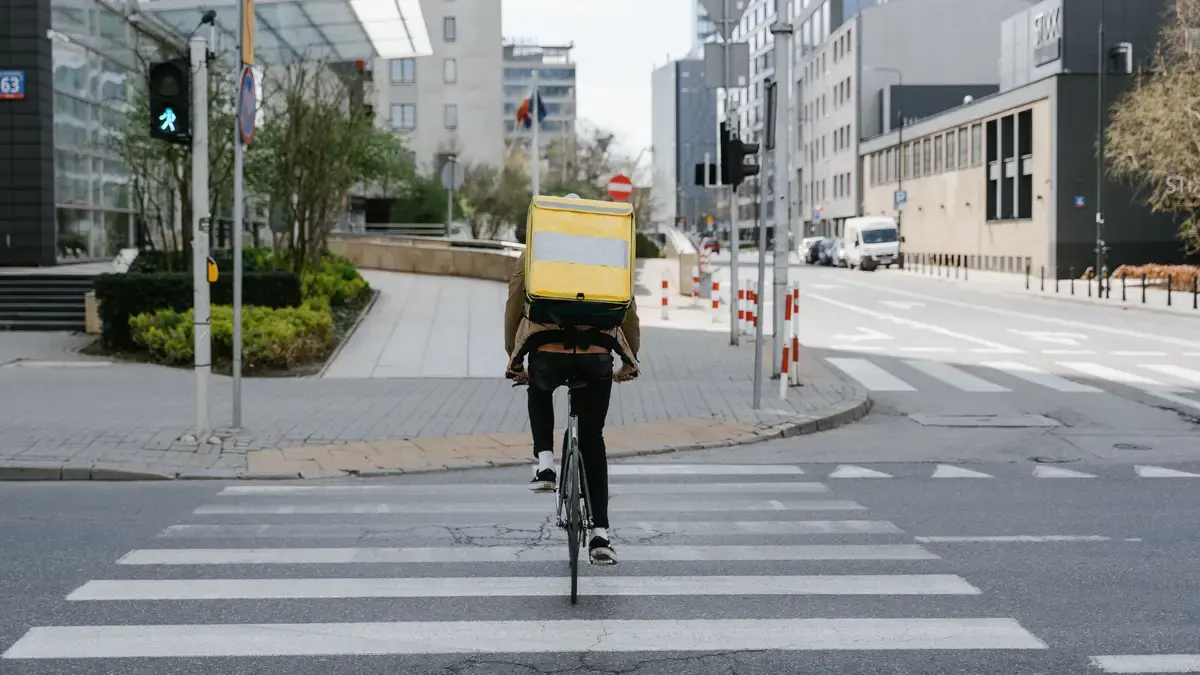
Delivery driving is a real job with real pay, and the question of whether it is worth it has a real answer. It is not "depends on your attitude". It is a trade, and the trade is the same one in every town in the UK: control of your week, or certainty about it.
Pick the self-employed apps and you get the control. You log on when you like, you work two platforms at once, and nobody sets your rota. What you give up is the floor: a wet Tuesday pays what the orders pay. Pick an employed round at a supermarket, Domino's or UPS and you get the certainty, a rate that cannot legally fall below £12.71 an hour, holiday pay and a van you do not have to insure. What you give up is the choosing. This guide puts UK figures on both sides so you can decide which loss you can live with.
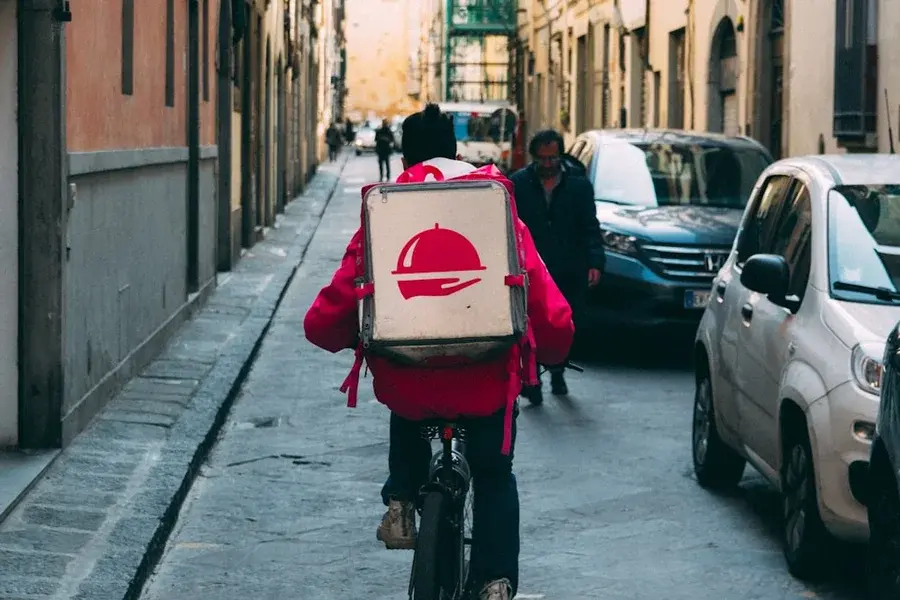
The trade: control of your week, or certainty about it
Almost every delivery job in the UK sits on one side of a single line.
Self-employed, paid per job. Just Eat, Deliveroo, Uber Eats, Stuart, Amazon Flex, Evri and DPD Connect. You use your own bike, moped, car or van. You are paid per delivery, per parcel or per booked block. You register with HMRC and file a self-assessment return. There is no minimum wage underneath you, no holiday pay and no sick pay.
Employed, paid by the hour. The supermarket fleets (Sainsbury's, Tesco, ASDA, Ocado), Domino's and the other pizza chains, UPS, and the employed van rounds at parcel depots. You are on a payroll, the National Living Wage applies, holiday accrues on the hours you work, you are auto-enrolled into a pension, and in most cases the employer's van, fuel and insurance are theirs to pay for. In exchange you work the shifts you are given.
Everything else in this article is detail on that line. When someone tells you delivery driving is or is not worth it, ask which side of the line they were on.
What the two kinds of delivery job pay
Employed first, because these are the figures you can actually plan a month around. Every rate below comes from the employer's own careers listing or from Breakroom, which collects verified pay submissions from workers.
| Employer | Advertised rate | Status |
|---|---|---|
| Sainsbury's | £14.73 an hour, or £16.04 in London, on its careers site | Employed |
| Tesco | £14.18 an hour, rising to £15.45 inside the M25 | Employed |
| ASDA | £13.10 an hour, rising to £14.35 inside the M25, July 2026 pay award | Employed |
| Domino's | At least £12.71 an hour at 21 and over, plus tips and a mileage payment if you bring your own car | Employed |
| UPS | From the statutory floor up to £18.27 an hour across its driving roles (Breakroom) | Employed |
Since April 2026 the National Living Wage is £12.71 an hour for workers aged 21 and over, £10.85 for 18 to 20 year olds and £8.00 under 18. No employed delivery role can pay less than the band for your age, and any "average" you see below those figures is stale.
Now the self-employed side. These are revenue figures, not wages, and they are indicative: the platforms pay per job, so an hourly number is what a typical hour of active work produces before a penny of cost comes off.
| Platform | Indicative revenue | Source |
|---|---|---|
| Amazon Flex | Up to £14 to £18 an hour of booked blocks | Amazon Flex's own UK site ("most drivers earn up to") |
| DPD Connect | Around £18 an hour on average | DPD franchise job ads, an average not a guarantee |
| Evri | 50p to £1.50 a parcel, about £13.72 an hour effective nationally | Our Evri pay guide, aggregator and courier-community sourced |
| Uber Eats | £9 to £15 an hour of active time | Our food platform comparison, indicative |
| Deliveroo | £8 to £14 an hour of active time | Same |
| Just Eat | £8 to £13 an hour of active time | Same |
The bottom of every food band sits below the £12.71 floor, and that is not a typo. It is what a quiet lunchtime on one app in a mid-sized town produces, and it is the single biggest reason the two tables are not comparable line by line. A Sainsbury's driver's £14 is £14 with the van paid for. A courier's £14 is £14 before fuel, insurance and the tax reserve. Our guide to how much delivery drivers earn does the per-parcel arithmetic properly.
What the apps give you
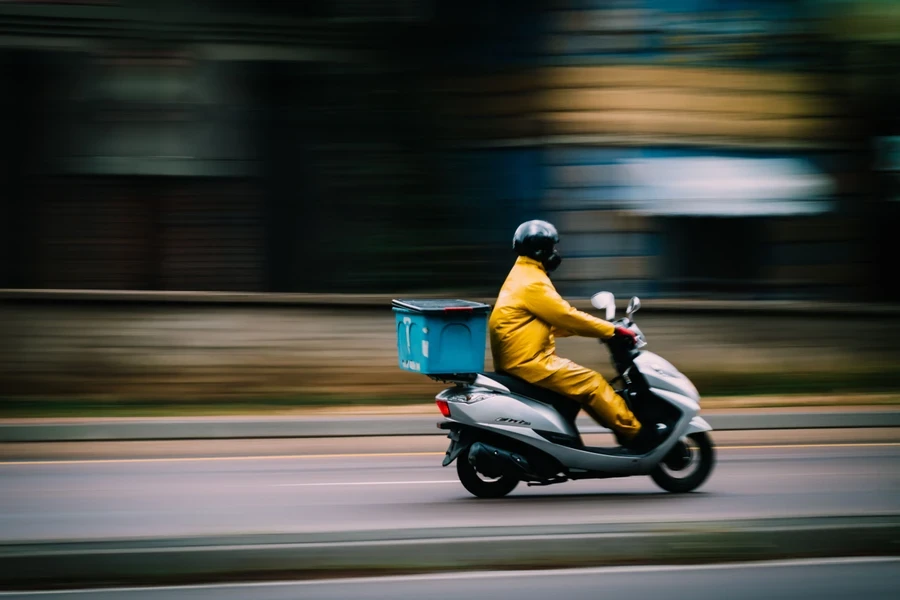
The advantages of self-employed delivery work are real, and they are worth naming plainly rather than as a sales pitch.
Your hours are yours. You choose when to log on and when to stop. No rota, no shift swap, no asking. For a student, a parent doing the school run or someone with a second job, this is the whole point, and no employed role offers it.
You start fast. A cyclist in a city can usually be working within a week of applying to Just Eat or Deliveroo. There is no interview: you are entering a contract, not applying for a post, and the checks are identity, right to work and, on a motorised vehicle, insurance.
You are paid weekly, mostly. Just Eat, Uber Eats, Deliveroo, DPD Connect and Amazon Flex all pay weekly. Evri is the exception, paying monthly, and its couriers will tell you the first month is the hardest for exactly that reason.
You can run two apps at once. There is no exclusivity on the food platforms. Experienced couriers keep two open and take whichever offer pays better, which smooths out the quiet patches on either one.
Nobody is looking over your shoulder. You are managed by an app, not a supervisor. Ratings and acceptance rates exist, but nobody times your break.
What the apps take from you
Every one of those advantages has a cost, and the honest version of this article names them too.
The floor is gone. On a slow Tuesday in February, an app courier earns what the orders pay, which can be almost nothing. There is no minimum wage under a quiet shift, and no employer to send you home with pay. The couriers who make self-employed work pay well are the ones who work the dinner peaks, protect Friday and Saturday evenings, and treat a wet weeknight as a decision rather than a shift.
You are running a small business, and the business pays its costs. Fuel, vehicle wear, a phone contract and insurance all come out of that revenue. For a car, hire and reward insurance costs £800 to £1,500 a year, which is roughly £3 to £6 for every working day before you have delivered anything. A cyclist gets off far lighter: public liability cover at £50 to £200 a year.
The tax is yours to sort. You register with HMRC and file self-assessment. HMRC lets you claim 55p a mile for the first 10,000 business miles and 25p after that in 2026/27, and 24p a mile on a motorcycle or scooter, which reduces your tax bill but does not refund the fuel. Keep the mileage log from your first shift, because the drivers who do not are the ones surprised in January.
No holiday pay, no sick pay. A week off is a week unpaid. An injury is an income gap, not an absence.
It is physical. Two hundred stairs a night with a thermal bag, or a hundred times in and out of a car with parcels. People outside the job underestimate this more than anything else.
What an employed round gives you and takes from you

The employed side of the line is less discussed on forums because it is less dramatic, which is precisely its appeal.
What you get. A rate that cannot drop below the legal floor for your age, and at the supermarkets sits well above it. Holiday pay that accrues on your hours. A pension once you qualify. A van, fuel and insurance that belong to the employer, so a Sainsbury's driver's hourly rate is close to take-home rather than a revenue figure. At Domino's, tips and a mileage payment on top of the hourly rate if you deliver in your own car; our guide to Domino's driver pay covers how that works store by store. A quiet Tuesday pays the same as a busy Friday.
What you give up. The choosing. You work the shifts on the rota, and the store or depot decides how many there are. Most supermarket driver roles are part time by design, so the hours you want may not be the hours available. Supermarket drivers cannot accept tips at Sainsbury's, ASDA or Tesco. Depot rounds start early, and a UPS or parcel-depot day is nine to ten hours on your feet.
What it asks for. Less than most people expect. Sainsbury's asks for a full UK licence held for one year and a standard category B licence covers the 3.5 tonne vans. Domino's takes cyclists with a roadworthy bike. UPS and the parcel depots want a full UK licence, right to work and a background check. Experience is rarely required: the employer trains you on the vehicle and the handheld.
Who each side suits
There is no universal answer, but there is a personal one, and it usually falls out of three questions.
Can you absorb a bad week? If a quiet fortnight in January would mean a missed rent payment, you need the floor, which means employed. If you have another income or a buffer, the apps' variability is a cost you can carry.
Do you need particular hours, or particular money? If the constraint is "only after 6pm and never Wednesdays", the apps fit around it and a rota will not. If the constraint is "£1,800 a month, reliably", an employed round gets there without you having to engineer it out of peak shifts.
What do you drive? A bicycle points you at the food apps and Domino's, where the entry cost is a bag and a lock. A car opens Amazon Flex, DPD Connect and Evri, but brings the insurance bill. If you already hold a licence and want the van work, the employed depot and supermarket rounds provide the vehicle, and our guide to becoming a delivery driver in the UK walks through the documents and HMRC steps for either side.
Plenty of drivers refuse to choose: an employed round in the week for the certainty, an app at the weekend for the top-up. That is a legitimate answer, not a fudge.
Frequently asked questions
Are delivery driver jobs worth it in the UK?
Yes, if you pick the version that matches what you need from a week. Self-employed app work gives you control of your hours and no floor under a quiet shift. An employed round at a supermarket, Domino's or UPS gives you a rota, holiday pay and a rate that cannot legally drop below £12.71 an hour at 21 and over. Neither is the wrong answer; picking one for the other one's reasons is.
How much do delivery drivers earn in the UK?
Employed roles advertise £13 to £16 an hour at the supermarkets (Sainsbury's £14.73, or £16.04 in London, Tesco £14.18 rising to £15.45 inside the M25, ASDA £13.10 rising to £14.35) and at least £12.71 at Domino's. Self-employed work is revenue rather than a wage: Amazon Flex's own site says most drivers earn up to £14 to £18 an hour, DPD franchise job ads put DPD Connect at around £18 an hour on average, Evri works out at about £13.72 an hour effective on indicative aggregator figures, and food apps run £8 to £16 an hour of active time before costs. Our pay guide has the detail.
Is it better to be employed or self-employed as a delivery driver?
It depends on whether you need control or certainty. Self-employed suits someone fitting work around study, childcare or another job, who can absorb a quiet week. Employed suits someone who needs the same money every month, wants holiday pay and a pension, and is happy to work a rota. Plenty of drivers do both: an employed round in the week and an app at weekends.
What costs come out of self-employed delivery earnings?
Fuel, hire and reward insurance (£800 to £1,500 a year for a car), vehicle wear, a phone contract and a tax reserve for self-assessment. HMRC lets you claim 55p a mile for the first 10,000 business miles in 2026/27, which offsets part of that against tax but does not put the money back in your pocket. Cyclists avoid most of it: public liability cover is £50 to £200 a year. The insurance cost guide breaks the cover down by vehicle.
Do delivery drivers get tips?
On the food apps, yes: Uber Eats has consistent in-app tipping, Just Eat has it too, and Deliveroo tips are occasional. Domino's drivers keep cash tips and receive card tips through payroll. Supermarket drivers at Sainsbury's, ASDA and Tesco are not permitted to accept tips, which is one reason their pay is more predictable and less exciting.
Decide which loss you can live with
Control or certainty: that is the whole decision, and the figures above are there so you make it with your eyes open rather than on an advert. If it is the self-employed side, our comparison of the best delivery driver jobs in the UK puts the platforms side by side. If you want to see who is hiring near you, the form below takes a minute.