
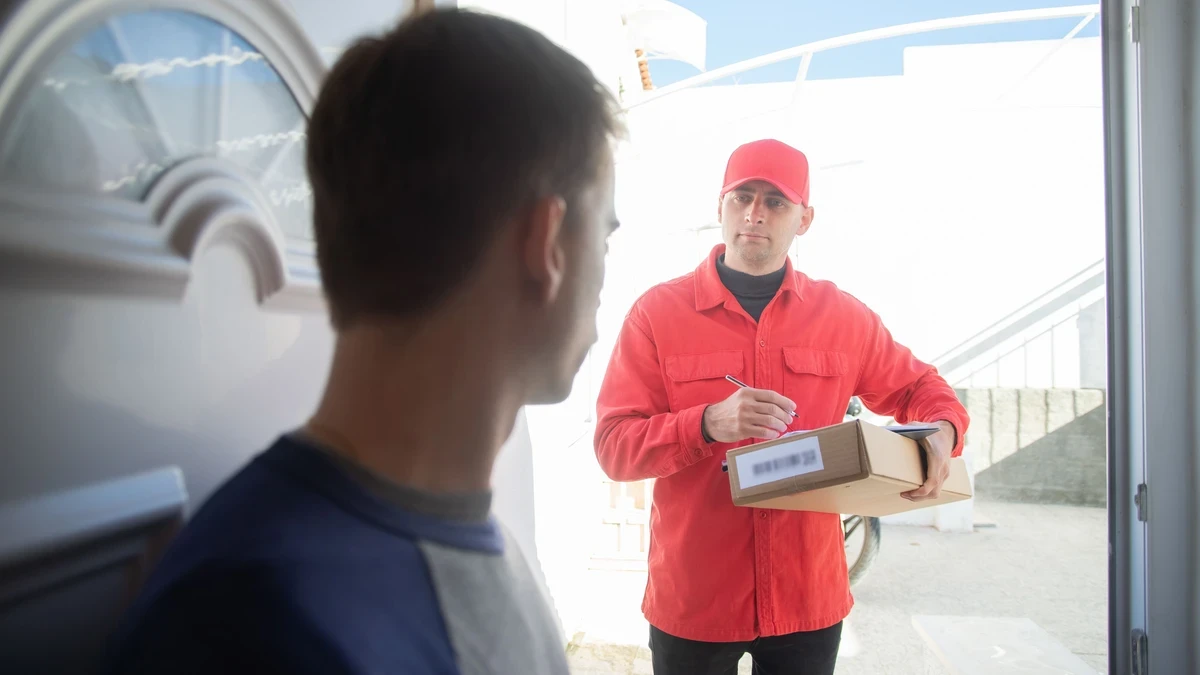
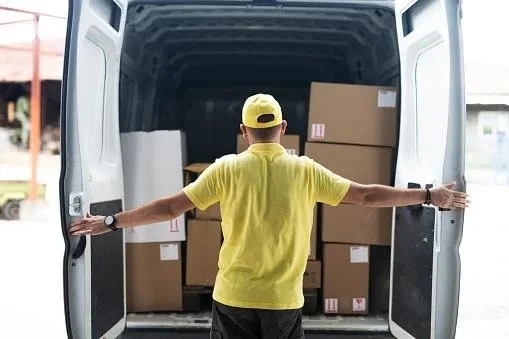
Most people are making their first delivery within two weeks of deciding to start. The application process is straightforward. The parts that catch new drivers out are the administrative ones: getting the right insurance, registering with HMRC, and picking a platform that actually fits your vehicle and your schedule.
This guide covers the complete process, in the right order, so you know exactly what you are walking into before you apply to anything.
What type of delivery driver can you be in the UK?
The term "delivery driver" covers more ground than most people realise. Before applying anywhere, it is worth knowing which category fits your situation.
Parcel delivery is the most common starting point. You collect batches of parcels from a depot or pick-up point and deliver to homes and businesses. Evri, Amazon Flex, DPD Connect and Yodel all operate on this model. If you would rather be employed than self-employed, UPS and the supermarket fleets hire parcel and grocery drivers on a payslip. A car is the minimum vehicle requirement; a van significantly expands your capacity and your options, and van roles are among the driver jobs on Service Club.
Food delivery works on a per-order model. You pick up from a restaurant and deliver to the customer. Just Eat and Uber Eats are the two main platforms. Both accept cyclists, motorcyclists and car drivers, making food delivery the most accessible starting point for anyone without a car or van. It is also the easiest way to fit driving around an existing commitment, and part-time delivery work is covered on the driver hub.
Same-day courier work is faster paced, typically point to point rather than multi-drop. CitySprint and Stuart operate in this space. It suits drivers based in cities who want shorter turnaround times and fewer parcels per shift.
The type you choose shapes everything that follows: your insurance requirement, your vehicle costs, and which platforms you can work with. If you are unsure where to start, parcel delivery with a car and food delivery with a bicycle or moped are the two most common entry points.

Are courier jobs self-employed?
Most of them are. On Just Eat, Uber Eats, Deliveroo, Stuart, Evri, Amazon Flex and DPD Connect you are a contractor, not an employee: paid per delivery, per parcel or per block, logging in when you choose, with nobody setting your rota. That freedom is why most people pick it, and it is real. Work the lunch and dinner peaks, take a week off in February, both are your call.
What comes with it is everything an employer would otherwise carry. You declare your own income and set aside your own tax, you pay for fuel, insurance and wear on the vehicle, and the slow hours are yours too: no minimum wage sits underneath a quiet Tuesday afternoon.
The employed half of the market is smaller but it exists. UPS, the supermarket fleets and DPD's depot roles put drivers on a payslip with fixed shifts, holiday pay and the National Living Wage of £12.71 an hour underneath for anyone 21 or over. You are trading control of your time for certainty of income. Neither answer is wrong, but decide which question you are asking before you pick a platform, because it changes the documents, the insurance and the tax that follow.
What you need before you can start
Missing documents are the most common reason applications stall or get delayed. Before applying to any platform, have these ready.
- Full UK driving licence, correct category for your vehicle
- Proof of right to work in the UK
- National Insurance number
- Roadworthy vehicle with a valid MOT
- Hire and reward insurance, covered in its own section below
- iOS or Android smartphone for the delivery app
- UK bank account for payments
Most platforms verify documents through an online portal. Upload clear, well lit photos: poor image quality is a common source of delay, particularly on background checks. Having everything ready before you start your application can cut your onboarding time by several days.
Registering as self-employed with HMRC
All major delivery platforms operate on a self-employed model. That means you are responsible for your own tax from your first delivery.
If you have never worked as self-employed before, register with HMRC as soon as you start earning. The process is simpler than it looks.
- Go to gov.uk/register-for-self-assessment
- Choose "I am self-employed" when asked about your situation
- Enter your National Insurance number and personal details
- HMRC posts your Unique Taxpayer Reference (UTR) within 10 working days
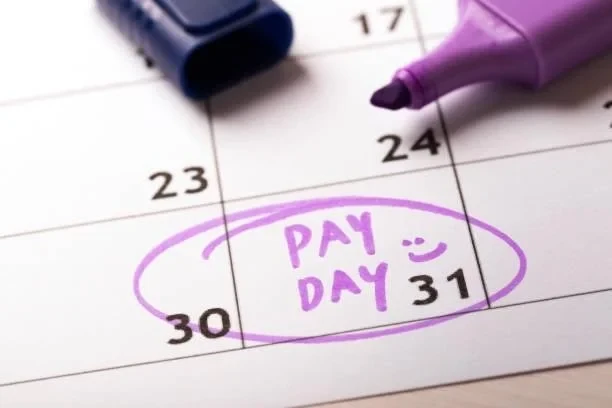
- Use this UTR each year when filing your self-assessment tax return by 31 January
Register promptly, even if your early earnings are low. HMRC issues penalties for late registration, not just for late filing.
What you can claim back
As a self-employed courier, your allowable expenses include fuel, vehicle maintenance, a share of your phone bill for work use, and insurance costs. HMRC's Approved Mileage Allowance Payment rate for the 2026 to 2027 tax year is 55p a mile for the first 10,000 business miles in a car or goods vehicle and 25p a mile after that. On a motorcycle or scooter it is 24p a mile. Keep a mileage log from your very first day.
Delivery driver insurance: what you need
This is where most new drivers come unstuck. Standard personal vehicle insurance does not cover you while carrying goods for payment. The moment you start a delivery shift without the right policy, you are uninsured.
What you need is hire and reward insurance. This is a commercial policy that covers you during active delivery work. It is separate from your standard vehicle insurance, which continues to cover you for all non-commercial driving.
Costs for car drivers typically range from £800 to £2,500 per year on an annual policy. Pay-as-you-go options are also available at daily rates, which can work out better for drivers starting part-time. For the full cost breakdown by vehicle type, provider, and annual versus pay-as-you-go, see our delivery driver insurance cost guide.
One platform that removes this cost
Evri requires couriers to hold third-party cover for courier work, and its own top-up, developed with Marsh Insurance, provides it at £1.35 per working day, so you do not need to buy a separate annual hire and reward policy. Amazon Flex does not: its UK requirements page lists hire and reward cover as yours to hold, and names Inshur and Zego as partner insurers with hourly and monthly options for part-time drivers.
Just Eat, Uber Eats, Amazon Flex and DPD Connect do not provide insurance. If you work on those platforms, arranging your own hire and reward cover is mandatory before your first shift.
For cyclists the requirement is different. Food delivery platforms accept cyclists and require public liability insurance, which costs far less than hire and reward cover for a car driver.
How to choose your first platform
Five questions narrow this down quickly.
- What vehicle do you have? Car drivers have access to almost everything. Cyclists are limited to food delivery platforms. Van drivers unlock higher-volume parcel work with Evri and DPD.
- Do you need weekly pay? Amazon Flex, DPD Connect, Just Eat and Uber Eats all pay weekly. Evri pays monthly via BACS, so the first month on Evri requires a cash buffer: your first payment arrives a full month after you start.
- Do you want a fixed route or flexible hours? Evri assigns you a geographic area with consistent roads and regular customers. Amazon Flex works in fixed blocks you book in advance. Uber Eats and Just Eat are fully on demand with no minimum hours.
- Do you want cheaper cover? If reducing upfront costs matters, Evri's own £1.35-a-day top-up replaces an annual hire and reward policy, although you still have to hold that cover. On every other platform, Amazon Flex included, that standing cost starts from day one.
- Where are you based? Amazon Flex block availability is strongest in cities. Evri operates nationwide. Food delivery volumes are highest in dense urban areas during peak hours.
How to apply and what to expect
The application process follows a similar structure across most platforms.
- Check availability. Evri and DPD Connect assign geographic routes, so check whether routes are open in your area before applying. Amazon Flex and food delivery platforms are available in most UK cities.
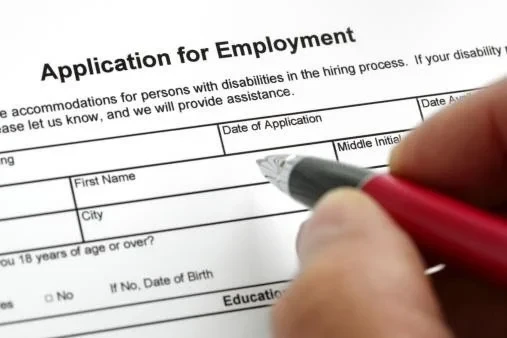
- Apply online. Most platforms use a self-serve portal. You upload documents, provide vehicle details and complete identity verification. Expect 20 to 40 minutes.
- Background check. Most platforms run a basic disclosure check covering identity and driving history. Processing takes anywhere from 24 hours to two weeks depending on the platform and your document quality.
- Onboarding. Evri and DPD Connect involve a depot induction, typically one to three hours covering the app, parcel handling and your first route assignment. Amazon Flex and food delivery platforms are largely app based with no in-person requirement.
Typical timeline from completed application to first delivery:
- Food delivery (Just Eat, Uber Eats): 24 to 48 hours
- Parcel delivery (Amazon Flex, Evri, DPD): one to two weeks
Your first few weeks on the road
Route efficiency takes time to build. Most drivers on parcel platforms notice their effective hourly rate improving from week two or three onwards as they get to know the streets. On food delivery, learning which restaurants batch orders quickly and which peak zones produce the highest order density makes a material difference to what you earn per hour.
Track every expense from day one. Fuel receipts, mileage, insurance: all of it goes on your self-assessment. The habit is easier to build early than to reconstruct later.
Failed deliveries matter. On Evri and DPD, a consistently high failed delivery rate can lead to a conversation with your depot. If nobody answers, leave a card, record the attempt in the app, and note any safe place the customer has specified.
Plan for Evri's pay cycle. Monthly pay means your first payment arrives a full month after you start. Plan your outgoings accordingly for that first period.
Get certified and get hired faster
Most drivers apply directly to platforms and wait. There is a faster route.
The Service Club Academy provides free certification training that covers platform-specific standards, compliance requirements, and what logistics companies look for in new driver applicants. Complete the module before applying and your profile is flagged to partner companies as pre-verified.
A pre-verified profile on Service Club ® moves through a hiring team's queue faster than a bare application, because the checks a company would otherwise run are already done.
The Academy module is free and takes less than an hour. It covers all vehicle types and the main UK delivery platforms.
If you are still weighing the decision up, our honest take on whether delivery driving is worth it is a good next read.

FAQs about becoming a delivery driver in the UK
How long does it take to become a delivery driver?
For food delivery platforms such as Just Eat and Uber Eats, the process from application to first delivery can be as fast as 24 to 48 hours if your documents are in order. Parcel platforms such as Evri, Amazon Flex and DPD Connect typically take one to two weeks, accounting for background checks and, where required, a depot induction.
Do you need any qualifications to become a delivery driver?
No formal qualifications are required. You need a full UK driving licence for your vehicle category, proof of right to work in the UK, and the correct insurance. Completing a certification module through Service Club Academy is not mandatory but significantly improves your chances of being matched quickly.
How much do delivery drivers earn in the UK?
Pay varies considerably by platform and vehicle. Almost all of this work is self-employed, so the figures below are revenue rather than wages: fuel, insurance, vehicle wear and a tax reserve come out of them, and no minimum wage underwrites a quiet week.
Amazon Flex advertises £14 to £18 per hour in fixed delivery blocks. Evri works out at roughly £13.72 an hour on indicative aggregator and courier-community figures, although Evri pays per parcel rather than per hour, so the effective figure moves a long way with route density. DPD franchise job ads put DPD Connect at around £18 an hour on average. Just Eat and Uber Eats pay per delivery, with effective rates typically between £8 and £14 per hour before costs. For the full breakdown by platform, see our delivery driver pay guide and our comparison of the best UK delivery driver jobs.
Do I need to register as self-employed to become a delivery driver?
Yes. All major gig delivery platforms operate on a self-employed contractor model. You must register with HMRC as soon as you start earning. Registration is done online at gov.uk/register-for-self-assessment and is straightforward: your Unique Taxpayer Reference arrives by post within 10 working days.
Can you do delivery work without a car?
Yes. Just Eat, Uber Eats, Deliveroo and Stuart all accept cyclists, e-bike riders and motorcyclists. Food delivery is the most accessible entry point for drivers without a car or van. The insurance requirement is also lower and cheaper for cyclists, making it a practical starting point with minimal upfront costs.
Pick a lane and get the paperwork done
Insurance sorted, HMRC registered, a platform that fits your vehicle and your week: that is the whole job of week one, and it is the part no advert mentions. If pay is what decides it for you, the delivery driver pay guide puts the platforms side by side. If you want to see who is hiring near you, the form below takes a minute.