
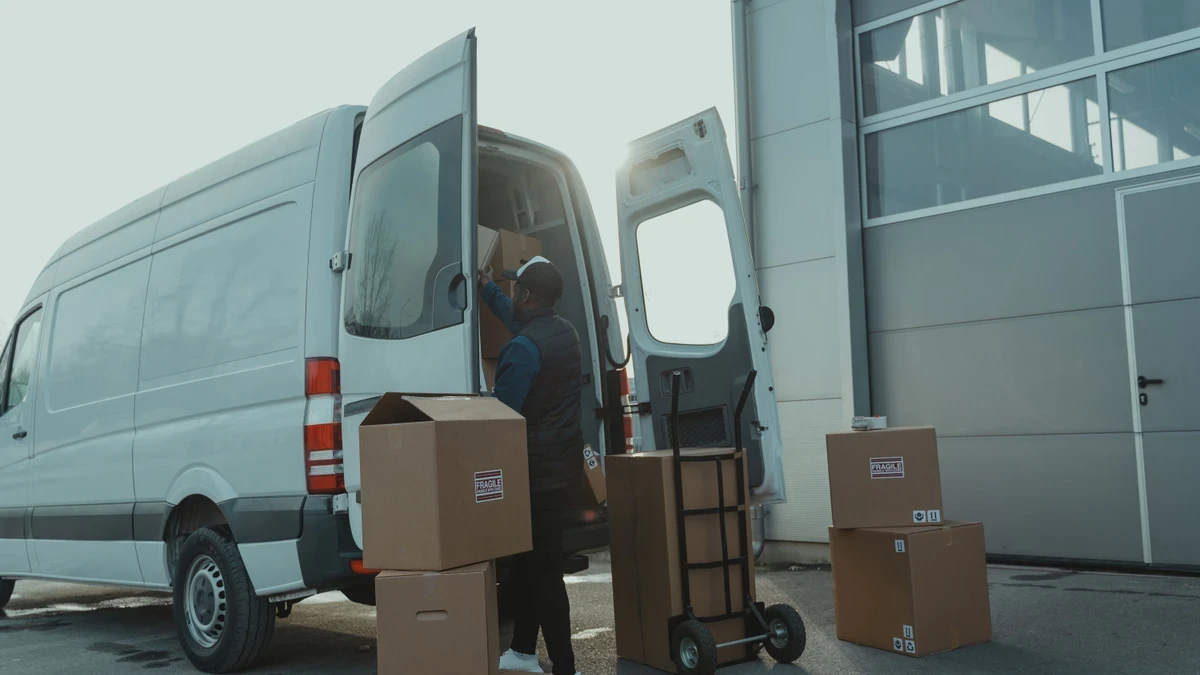
A van driver's salary in the UK depends less on the van than on the arrangement behind it. The same Transit on the same estate can be an employed supermarket shift paying a published hourly rate, a day rate from an Amazon delivery partner, or a self-employed owner-driver's round where every cost is the driver's own.
This guide turns each of those into an annual figure you can compare, using rates the employers publish themselves wherever they exist. For a closer look at the parcel rounds specifically, our multi-drop delivery driver guide goes further into the day itself.
The short answer: £25,000 to £31,000 employed
An employed van driver on a full time contract earns roughly £25,000 to £31,000 a year. Two things set that range.
The bottom is the law. Since April 2026 the National Living Wage is £12.71 an hour for workers aged 21 and over, £10.85 for 18 to 20 year olds and £8.00 for under 18s. No employed van job can pay less than the band that applies to you, so any "average" salary you see below about £24,800 is stale or is mixing in self-employed figures.
The top is the supermarkets, which are unusual in publishing their rates. Everything else in the employed market sits between the two.
Employed van driver pay, turned into a salary
The table converts each advertised hourly rate into a full time annual figure at 37.5 hours a week. Paid holiday is included, because an employed driver is paid for all 52 weeks.
| Employer or role | Hourly rate | Full time a year |
|---|---|---|
| National Living Wage floor, 21 and over | £12.71 | about £24,800 |
| Asda home shopping | £13.10, or £14.35 inside the M25 (July 2026 pay award) | about £25,500 to £28,000 |
| Sainsbury's | £14.73, or £16.04 in London (Sainsbury's careers site) | about £28,700 to £31,300 |
| Tesco home delivery | £14.18, or £15.45 inside the M25 | about £27,700 to £30,100 |
| Employed multi-drop parcel rounds | £12.71 to about £15 | about £25,000 to £29,300 |
The supermarket rates come from each company's own careers listings, and our posts on Asda and Sainsbury's cover the shifts behind them. For the wider market, Indeed puts the UK-wide van driver average around £13.63 an hour, which is about £26,600 a year full time. That is an aggregator figure: read it as the middle of the market, not as a quote.
A 40 hour week, common on parcel rounds, adds roughly £1,600 to £2,100 a year to each figure above. Overtime, weekend premiums and Christmas peak work add more, and they are where most employed drivers find the difference between the bottom of the band and the top.
Day rates on parcel routes
Amazon's delivery service partners, and many of the smaller firms that run routes for the big carriers, pay by the day rather than the hour. The advertised range for an Amazon delivery partner route is £145 to £180 for a nine to ten hour day, with Indeed's average for the role at about £151.
Do the division before you sign. £145 over ten hours is £14.50 an hour, and a route that runs long pulls it down further. Five days a week across 46 working weeks puts the range at about £33,000 to £41,000 a year gross, but that only means something once you know two things:
- Whether you are employed or self-employed on it. Many day-rate routes are self-employed, in which case there is no holiday pay, no pension contribution from the firm, and the figure is revenue rather than a wage.
- Whether the van is provided or rented to you. A weekly van rental comes out of the day rate whether you work one day or five.
Self-employed and owner-driver earnings
Self-employed van work is where the biggest numbers get quoted, and where they need the most reading. Three figures published on serviceclub.com, each from the operator's own material:
- Evri Premium routes advertise up to £1,200 a week. Evri's own small print describes that as six days at about £200 a day.
- DPD owner-drivers, who run their own van on a DPD route, are quoted at £50,000 to £60,000 a year.
- DPD Connect, the flexible version on a car or small van, pays around £18 an hour on average, according to DPD franchise job ads, which is an average rather than a guarantee. Our guide to the best delivery driver jobs compares it with the other platforms.
On a van those costs are larger than on a car. Commercial hire and reward insurance for a van runs £1,200 to £4,000 a year. Add fuel, servicing, tyres, the lease or the loan, and a reserve for your tax bill. An owner-driver quoting £55,000 is quoting turnover; what reaches their bank account is the part left after all of that.
If you run your own van, HMRC's simplified mileage rate for goods vehicles is 55p a mile for the first 10,000 business miles in the 2026/27 tax year and 25p after that. It is a deduction against tax, not money paid to you, and it is worth claiming properly.
What moves a van driver's salary
The employer's pay model
The supermarket fleets pay the most predictable money in the employed market, with pension, holiday and staff discount on top. Parcel rounds pay closer to the floor and make it up with overtime.
Location
Where the employer publishes a London rate, the M25 premium is worth around £2,500 a year full time. Outside London the gap between regions is smaller than the gap between employers in the same town.
Shift pattern
Evenings, weekends and peak season carry premiums at most employers that run them.
Licence
A standard category B licence covers vans up to 3,500kg. The next step up is C1, up to 7,500kg, which opens the larger box vans and a step towards the lorry work in our HGV driver salary guide. If you passed your car test before 1 January 1997 you usually hold C1 already; if you passed after, it is a separate test.
Your record
A clean licence keeps your insurance affordable if you are self-employed and your application credible if you are not. Points on a licence cost money in both models.
Van driving jobs outside delivery
Not every van job is parcels or groceries. Trades, removals, hire companies, wholesale and builders' merchants all employ van drivers, and they tend to pay at or a little above the employed delivery rates above, often with more regular hours and fewer drops. They rarely publish a single rate, so compare a specific advert against the supermarket figures in the table: those are the published benchmark for what an employer is willing to pay a van driver in your area.
Frequently asked questions
What is the average van driver salary in the UK?
An employed van driver working full time earns roughly £25,000 to £31,000 a year in 2026. The bottom of that range is the National Living Wage of £12.71 an hour over a 37.5 hour week, and the top is where the supermarket fleets inside the M25 and the better paid parcel rounds sit. Indeed puts the UK average advertised rate around £13.63 an hour, about £26,600 a year full time.
Do van drivers get paid more in London?
Yes, where the employer publishes a London rate. Tesco quotes £14.18 an hour rising to £15.45 inside the M25, and Asda £13.10 rising to £14.35. Over a full time year that premium is worth about £2,500. Self-employed rates move less with the postcode than with how dense the route is.
How much does an Amazon delivery van driver earn?
Amazon delivery service partners mostly advertise a day rate rather than an hourly one, typically £145 to £180 for a nine to ten hour route, with Indeed's average for the role around £151. Work the hourly figure out before you sign: at the bottom of the range and the top of the shift length it sits close to the National Living Wage. Our Amazon delivery driver guide covers how those routes work.
Can I drive a 7.5 tonne van on a car licence?
Only if you passed your car test before 1 January 1997, which usually gives you category C1 on your licence. Anyone who passed after that date is limited to 3,500kg on a category B licence and needs to take the C1 test to drive anything heavier.
Is it better to be an employed or self-employed van driver?
It depends on what you want the money to do. Employed work has a legal floor, paid holiday and a pension. Self-employed routes can show a bigger weekly figure, but it is revenue before van costs, insurance and tax, there is no holiday pay, and no minimum wage sits under a quiet week.
Pick the arrangement, then the rate
Decide first whether you want a payslip or an invoice, because that choice moves your real income more than any rate in this guide. If you are weighing van work against other kinds of delivery, the delivery driver salary guide sets them side by side. The form below shows which van jobs are hiring near you.