
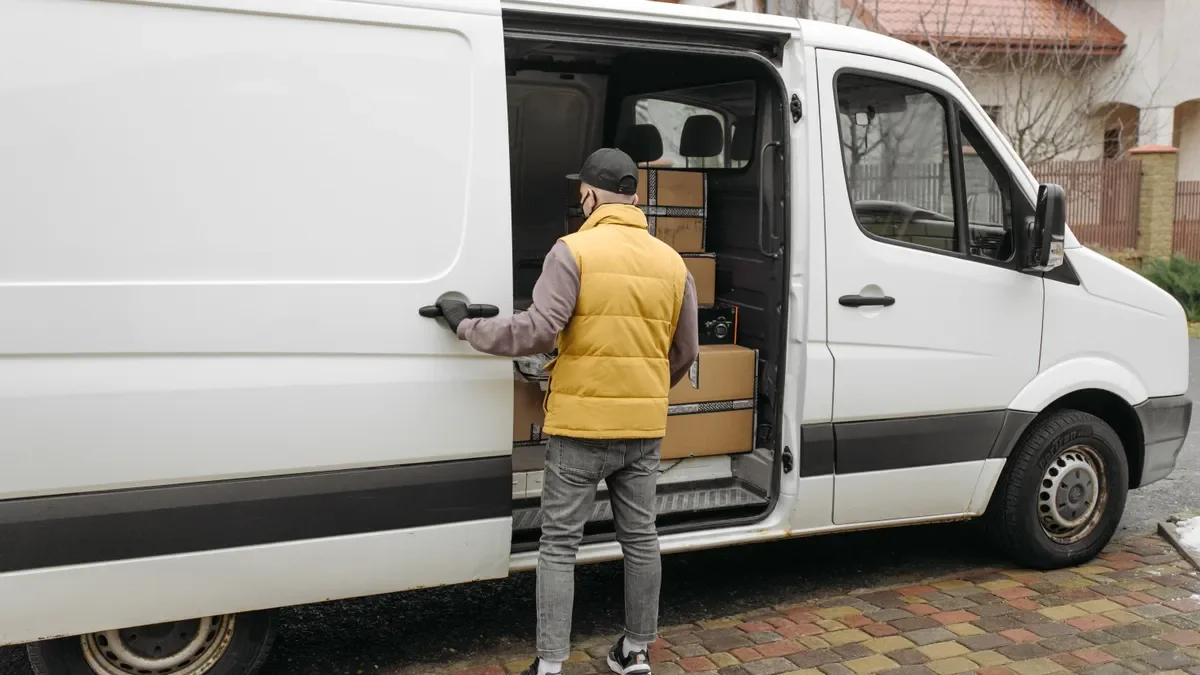
A multi-drop delivery round is what most van driving jobs in the UK actually are: you start at a depot, load 80 to 150 parcels, and drive a route until the van is empty. Evri, DPD, Yodel, the Amazon delivery partners and the supermarket fleets all run it, and it is the job behind most of the "van driver wanted" adverts you will see.
The adverts describe the pay and the hours. They do not describe the thing that decides whether you enjoy the work, which is how many minutes you spend per stop. A driver who finishes at three and a driver who finishes at six on the same route have delivered the same parcels; the difference is habits, and they can be learnt. This guide covers what the job is, who runs it, what it pays on both the employed and self-employed models, and the habits that get you home early.
What a multi-drop round is
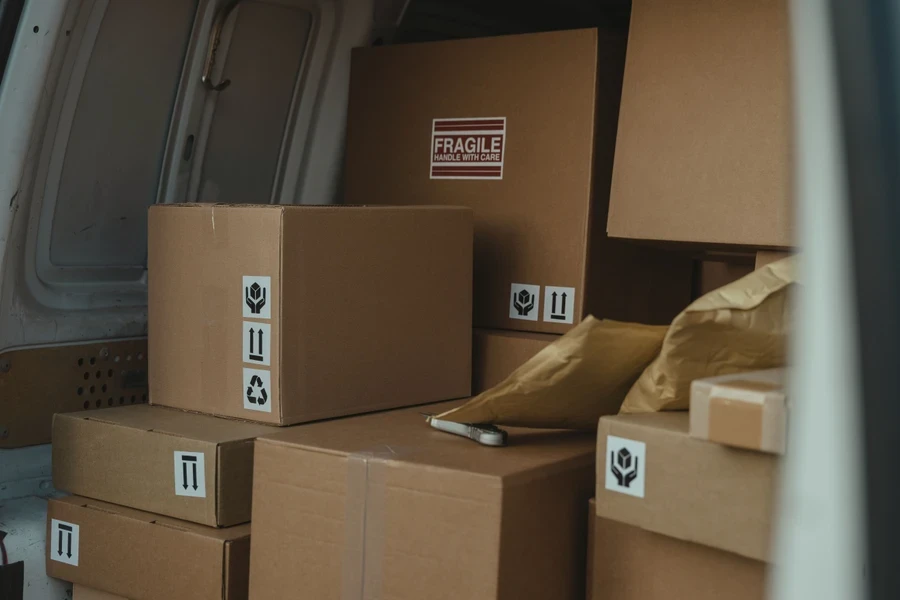
The shape of the day is the same across every network. You arrive at the depot at your slot, usually early morning. Your parcels are pre-sorted into a cage or a bay. You scan each one to confirm it is yours, load the van, and the app or handheld gives you a route. Then you deliver until you are done, return anything you could not deliver, and go home. There is no clocking off at a fixed time on most rounds: the round is finished when the van is empty.
The numbers vary by network and season. Evri's own courier FAQ puts its average round at about 75 parcels across five to six hours in a car. A full DPD route runs 100 to 150 parcels a day across six days. Amazon delivery partner routes are planned at nine to ten hours. From October to December every one of those figures climbs steeply, and peak season is where new drivers either learn the job or leave it.
Two numbers matter more than the parcel count. The first is stops, because five parcels to one block of flats is one stop and five parcels to five streets is five. The second is density: 120 parcels inside two square miles of terraced streets and 120 parcels across forty miles of villages are not the same job, and on a per-parcel contract they are not the same pay either.
Who runs multi-drop rounds
Evri. Self-employed couriers on an assigned geographic area, paid per parcel, in their own car or van. The most common way into parcel work in the UK, and the one with the lowest barrier. Our Evri courier guide covers the application and the depot induction.
DPD. Three models: an owner driver franchise where you finance a van and take a route, DPD Connect where you deliver in your own car or small van and are paid weekly, and employed depot drivers on hourly or daily pay. Our DPD driver salary guide takes the three apart.
Yodel. Self-employed couriers on local rounds, paid per parcel, in their own vehicle, on a model close to Evri's.
Amazon delivery service partners. Independent companies that run Amazon-branded vans out of Amazon delivery stations. Most of their drivers are employed by the partner, not by Amazon, drive a van the partner provides, and work a planned route of nine to ten hours. Some partners and the agencies that recruit for them also offer self-employed day rates with a van rental attached. Our Amazon delivery driver guide covers how that differs from Amazon Flex.
Supermarket fleets. Sainsbury's, Tesco, ASDA and Ocado home delivery. Employed, in the store's refrigerated van, on a rota, with a round of timed slots rather than a parcel count. The most predictable version of the job and the best paid per hour for an employed driver.
UPS and the express networks. Employed drivers in company vans, mixing residential drops with business collections on a set route.
What it pays: the employed rounds

An employed van driver is on a payroll, so the National Living Wage is the floor: since April 2026 that is £12.71 an hour for workers aged 21 and over, £10.85 for 18 to 20 year olds. No employed round can pay less, and any average you see below that figure is stale.
Above the floor, the market is narrow. Indeed puts the UK-wide van driver average around £13.63 an hour, which is an aggregator figure and gives you the shape rather than a quote. Employed parcel rounds advertise up to about £15 an hour, which works out at roughly £25,000 to £31,000 a year full time; the van driver salary guide turns each employer's rate into an annual figure. Breakroom, which collects verified pay submissions from workers, reports DPD employed delivery driver pay topping out at £15.69 an hour and UPS driving roles running from the statutory floor up to £18.27.
The supermarket fleets sit at the top of the employed market and, unusually, publish their rates. Sainsbury's own careers site advertises £14.73 an hour, or £16.04 in London, Tesco quotes £14.18 rising to £15.45 inside the M25, and ASDA £13.10 rising to £14.35 under its July 2026 pay award. Our guide to Sainsbury's delivery driver pay sets out what the role asks for.
Amazon delivery partners mostly advertise a day rate rather than an hourly one: £145 to £180 for a nine to ten hour route, with Indeed's average for the role at about £151. At the bottom of that range and the top of that shift length, the hourly equivalent sits close to the statutory floor, which is worth doing the arithmetic on before you accept.
With every employed figure, remember what is included: the van, the fuel, the insurance and the maintenance are the employer's, holiday accrues on your hours, and a quiet day pays the same as a busy one.
What it pays: the self-employed rounds
Self-employed parcel work is paid per parcel, per block or per day, and the figures are revenue rather than wages.
| Network | Pay structure | Indicative figure | Pay frequency |
|---|---|---|---|
| Evri | Per parcel, own car or van | 50p to £1.50 a parcel, about £13.72 an hour effective (indicative, from aggregator and courier-community reports) | Monthly |
| DPD Connect | Per parcel, own car or small van | Around £18 an hour on average, according to DPD franchise job ads | Weekly |
| Amazon Flex | Per booked block, own car | Amazon's own UK site says most drivers earn up to £14 to £18 an hour | Weekly |
| Amazon delivery partner, self-employed day rate | Per route, rented van | £145 to £180 a day advertised, minus the van rental | Varies by partner |
The parcel networks in particular reward density: Evri's per-parcel rate makes an urban round of 100 parcels inside a mile radius worth far more per hour than the same 100 parcels across villages, which is why couriers describe the round they are given as the single biggest decision in the job. Our Evri pay guide does that arithmetic by parcel volume.
Two costs come out of every self-employed figure before you compare it with an employed one. Hire and reward insurance for a car runs £800 to £1,500 a year, roughly £3 to £6 a working day. Evri's own top-up cover, developed with Marsh Insurance, provides the third-party cover Evri requires at £1.35 a working day, which removes most of that for its couriers; DPD Connect leaves it with you. And fuel is yours: HMRC lets you claim 55p a mile for the first 10,000 business miles in 2026/27, which lowers your tax bill without refunding the diesel.
The habits that get you home by three

Every experienced driver you meet at a depot has the same handful of habits. None of them is in the induction.
Sort by street sequence before anything goes in the van. The route the app gives you is a sequence of stops. Lay the parcels out in that sequence on the depot floor, then load in reverse so the first stop is nearest the door. New drivers who skip this spend the whole day climbing into the back to search, and thirty seconds of searching on a hundred stops is fifty minutes. Couriers on the Evri and DPD rounds describe this one habit as the biggest single difference between their first month and their third.
Manage the van layout as well as the order. Small parcels in crates by sequence, large ones along one side in order, and a fixed home for the returns and the failed attempts so they do not mix back into the load. Bulkhead shelving or a few cheap plastic crates pay for themselves in a week. Know where the heavy items are before you set off so you are not lifting a washing machine box over a stack of envelopes at stop 60.
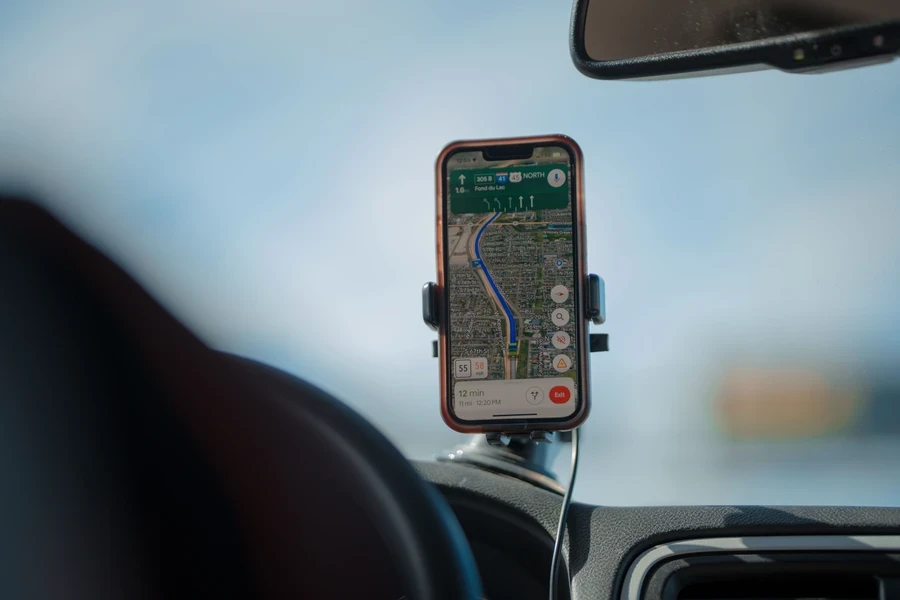
Treat the app's route as a draft. The optimiser does not know that the road behind the school is blocked at 3pm, that the flats on the corner share one entry buzzer, or that the retail park is faster in reverse. After a fortnight on a round you know your patch better than the algorithm does. Follow the sequence where it is sensible and reorder where it is not, and the app will catch up.
Learn the safe places. Which houses have a porch, a side gate or a neighbour who is always in. Which flats have a concierge. Which customers have nominated a safe place in the app. A parcel you can leave safely is a delivery; a parcel you carry back is a failed attempt, a return to the depot, and the same stop again tomorrow for no extra money on a per-parcel contract.
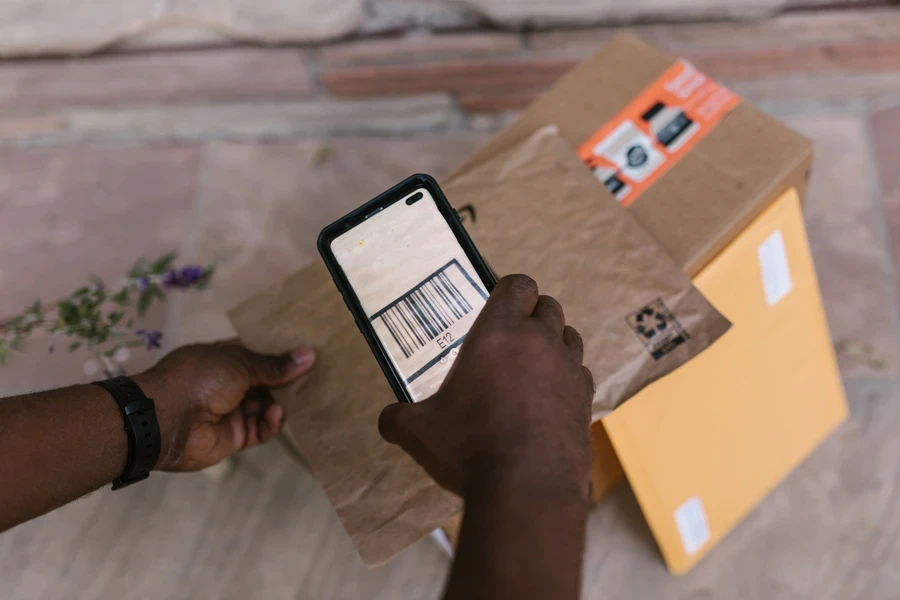
Record every failed attempt properly. Photograph the door, note the time, leave the card, log the reason in the app. Evri and the other networks track your failed delivery rate, and a persistently high one with no record behind it prompts a conversation with the depot. A properly logged failure is your evidence; an unlogged one is a complaint waiting to happen.
Scan at the door, not in the van. The photo of the parcel on the doorstep is proof of delivery. Drivers who scan a batch in the van to save time lose the argument when a customer says nothing arrived.
Park once per cluster. In terraced streets and estates, stop the van once and walk three or four addresses with a stack of parcels rather than driving twenty metres at a time. It is faster, it is legal where the alternative is not, and it is most of the exercise in the job.
Water, food and a bottle for the obvious reason. A round does not have a lunch break built into it. The drivers who finish early are the ones who eat while the van is being loaded and keep going, not the ones who stop for forty minutes at midday.
What the job asks of your body and your day

The physical side is the part people outside the job underestimate. A hundred and twenty stops is a hundred and twenty times in and out of the driver's seat, most of them carrying something, some of it heavy: UPS accepts individual parcels up to 70kg and expects drivers to be on their feet for most of the shift. Listings for the Amazon partner routes describe the job as physically demanding for the same reason.
The hours start early and end when the van is empty. A depot slot at 7am and a nine to ten hour planned route is a normal day on the Amazon partner rounds; Evri couriers on a car round typically work five to six hours; supermarket rotas are fixed shifts. Peak season stretches every one of them.
What the job gives back is a kind of autonomy most employed work does not. Once you have left the depot, nobody is watching. The round is yours to run, and a driver who runs it well genuinely does get home by three on a day a new starter finishes at six. That is a real reward, and it is one you earn in the first month.
Frequently asked questions
How many parcels does a multi-drop delivery driver deliver in a day?
Typically 80 to 150 on a full van round, more in the run-up to Christmas. Evri's own courier FAQ puts its average car round at about 75 parcels across five to six hours, and a full DPD route runs 100 to 150 parcels a day. The number of stops is lower than the number of parcels, because several parcels often go to one address, and it is stops that decide how long the day takes.
How much do multi-drop delivery drivers earn in the UK?
Employed van drivers cannot be paid below the National Living Wage of £12.71 an hour at 21 and over, and adverts run to about £15 an hour, which is roughly £25,000 to £31,000 a year full time. Indeed puts the UK van driver average around £13.63. The supermarket fleets pay £13 to £16. Self-employed drivers are paid per parcel or per day instead: Evri 50p to £1.50 a parcel, DPD Connect around £18 an hour on average according to DPD franchise job ads, Amazon DSP day rates advertised at £145 to £180, all before fuel, insurance and tax. Our DPD driver salary guide shows what a self-employed route leaves after costs.
Are multi-drop drivers employed or self-employed?
Both models exist and the difference matters more than the employer's name. Supermarket fleets, UPS and many depot rounds are employed: hourly pay, holiday pay, a pension, the company's van. Evri, DPD Connect, Yodel and most Amazon Flex work is self-employed: paid per parcel or per block, your own vehicle and insurance, no floor under a quiet week. Amazon delivery service partners are mostly employed but some offer self-employed day rates with a rented van, so read the offer rather than the logo.
Do I need my own van for multi-drop work?
Not for the employed rounds: supermarkets, UPS and Amazon delivery service partners provide the van, fuel and insurance. You need your own vehicle for Evri, DPD Connect and Amazon Flex, and a hatchback or estate is enough to start on Evri or Connect. A standard category B car licence covers a 3.5 tonne van, so no extra licence is needed for any of these.
What is the difference between multi-drop and single-drop delivery?
A multi-drop round loads many parcels for many addresses into one vehicle and works through them on one route, which is how every parcel network and supermarket fleet delivers. A single-drop job carries one consignment from A to B, which is same-day courier and sameday van work. The first is paid per hour, per parcel or per route; the second is usually paid per job or per mile, and the skills are different: one is about density and sequence, the other about distance and timing.
Read the round, not the advert
Ask how many stops, not how many parcels; ask whether the van is theirs or yours; and if the pay is per parcel, ask how dense the area is before you say yes. New to van work altogether? Our guide to becoming a delivery driver in the UK covers the licence, the documents and the HMRC side. If you want to see who is hiring near you, the form below takes a minute.